
Žiča Monastery
The Serbian coronation church
Mother of all churches
Žiča is the endowment of Stefan the First-Crowned, the first crowned king of Serbia, and his brother Saint Sava. It was built at the beginning of the 13th century in a fertile plain near Kraljevo. Its distinctive red façade symbolises the blood of martyrs and was modelled on the monasteries of Mount Athos.
The historical role of Žiča is immeasurable. It was the seat of the first Serbian archbishopric after the Serbian Church gained autocephaly in 1219. Here Saint Sava crowned his brother Stefan as king, by which Serbia officially became a kingdom.
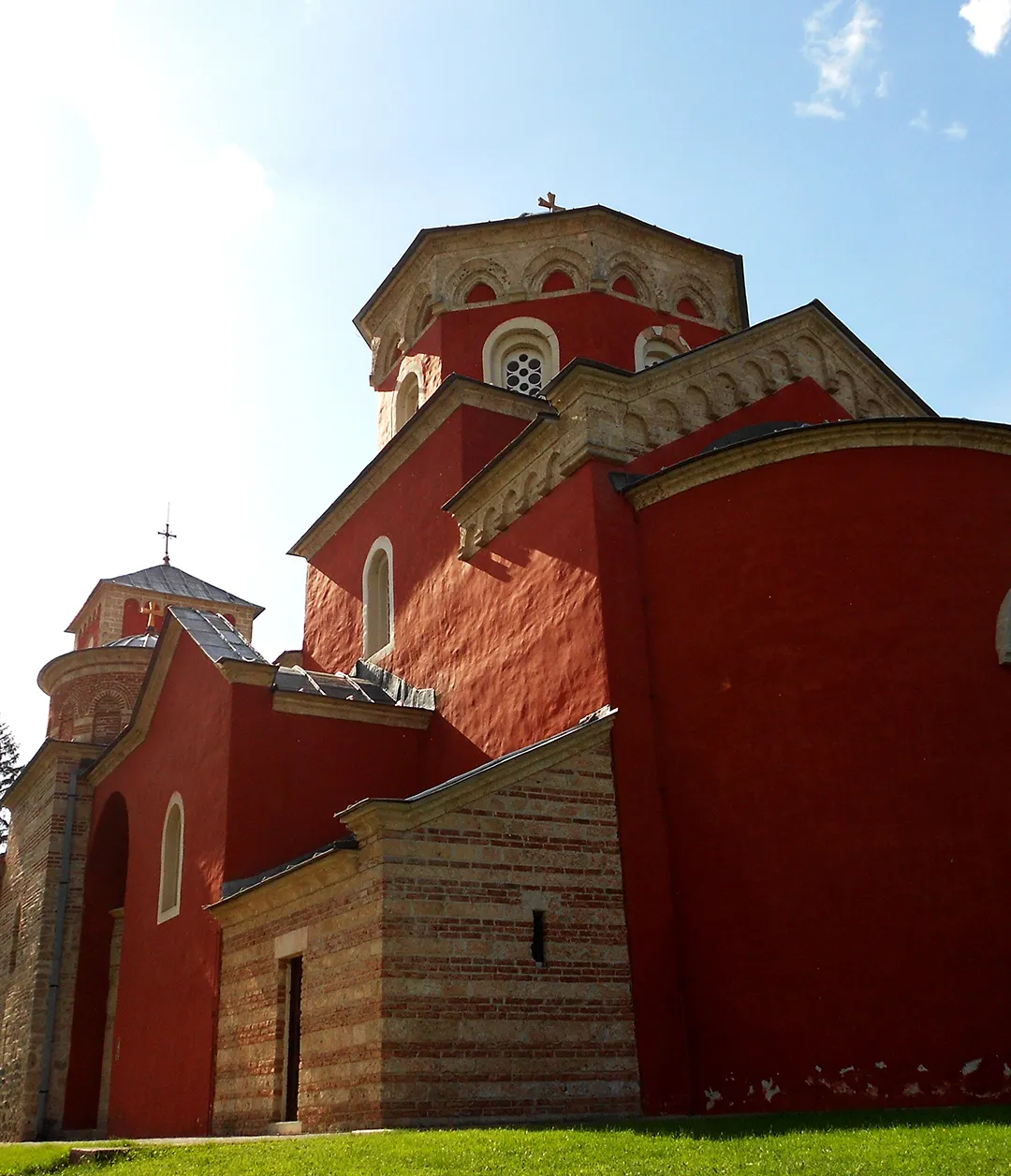
Sedmovrata (Seven Doors)
According to folk tradition, Žiča is also called “Sedmovrata” (“Seven Doors”) because seven Serbian kings of the Nemanjić dynasty were crowned there. Legend says that for each king a new door was opened through which only he would pass, and which would immediately afterwards be walled up, symbolising that no one else could follow his path.
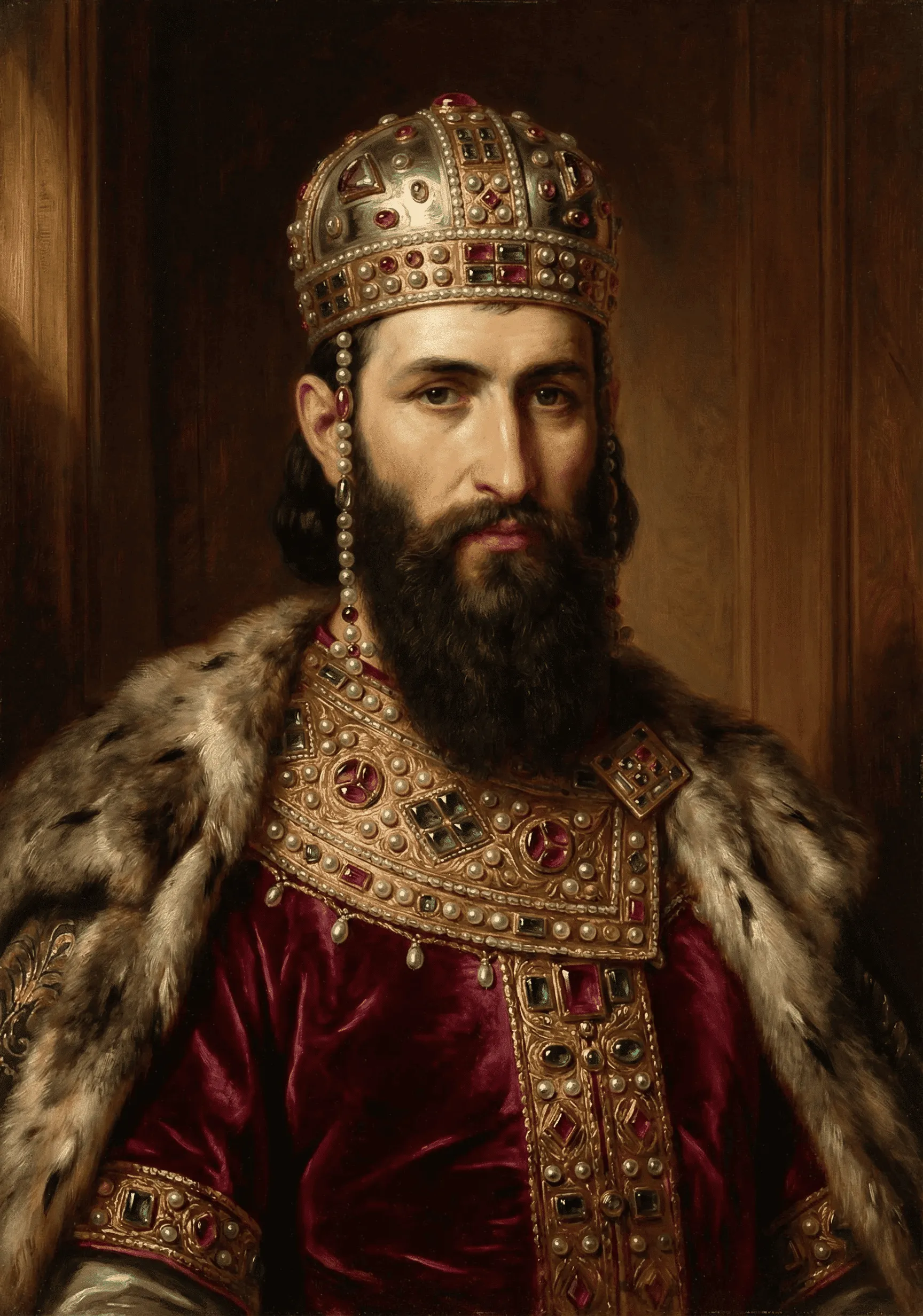
Key Facts
- Dedicated to: the Ascension of the Lord
- Built: 1206–1221
- Location: Kraljevo
- Style: Raška school
- Significance: Coronation church
At a glance
Related
Literature and sources
This list is for further reading and verification. Online sources were checked on 30 September 2026; books and medieval sources are recommended reading, not sources for individual statements on this page.
Online sources
Further reading
- Sima Ćirković, Srbi među evropskim narodima. Beograd: Equilibrium, 2004.
- Sima Ćirković, Rade Mihaljčić (ur.), Leksikon srpskog srednjeg veka. Beograd: Knowledge, 1999.
Medieval sources
- Domentijan, Život Svetoga Save i Život Svetoga Simeona.
- Teodosije, Život Svetoga Save.