
History of Endowment-Building
From the Nemanjić Dynasty to the University
“An endowment is a lasting gift in the form of private property or a good deed, which the benefactor bequeaths for the achievement of socially useful aims, in the manner he himself conceived.”
The Golden Age of the Nemanjić Dynasty
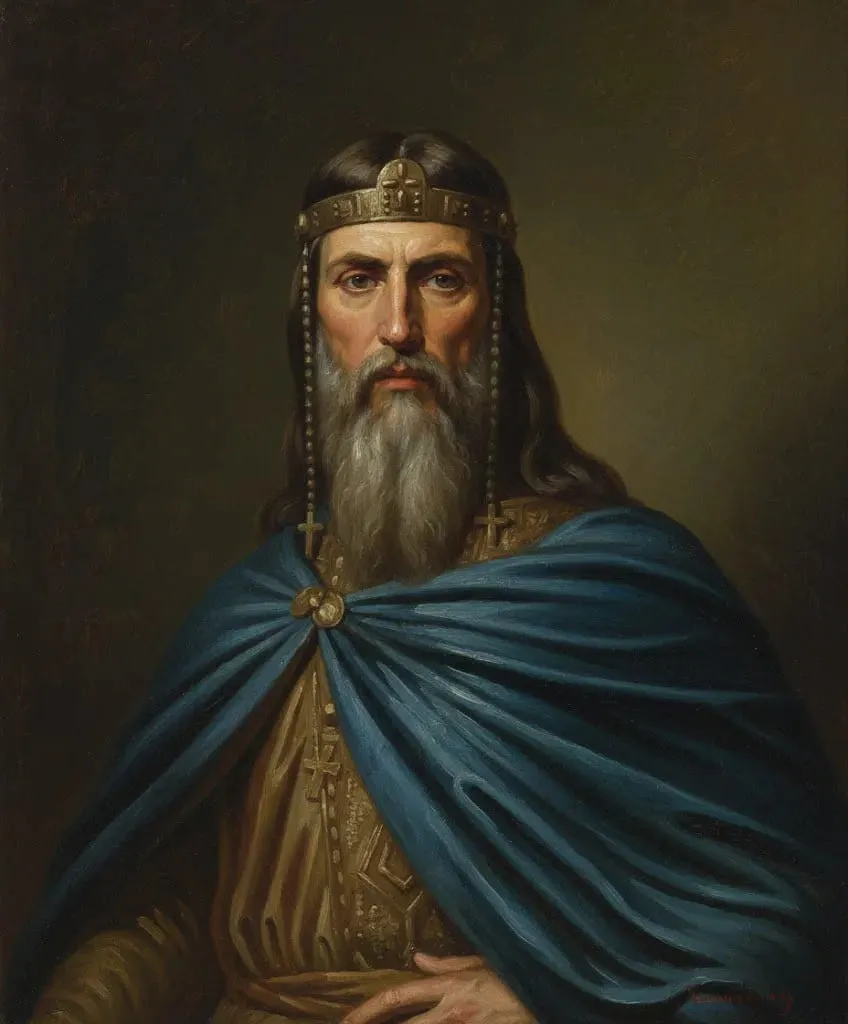
The institution of endowment-building has deep roots in Serbian spirituality. In the Middle Ages, the church stood at the centre of life, and charity was therefore directed towards it. Rulers and nobles raised churches as a visible sign of piety and a pledge of eternal salvation.
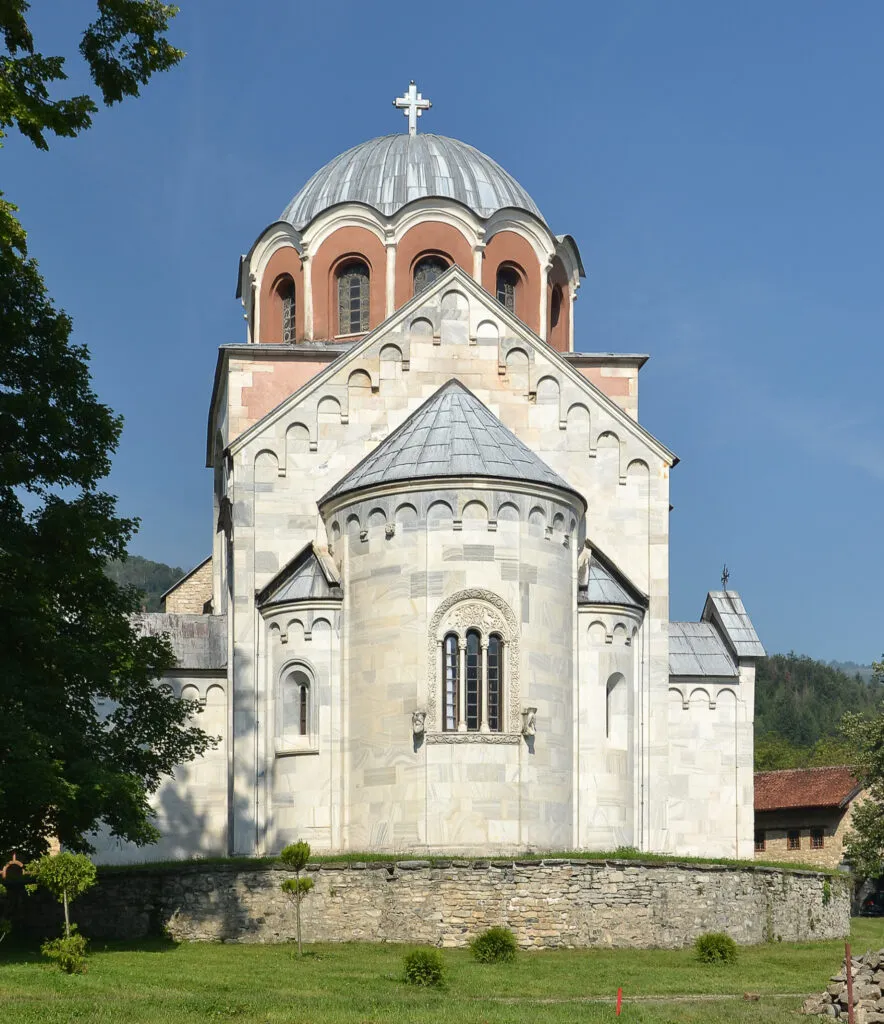
The founder of the dynasty, Stefan Nemanja (Saint Simeon), laid the foundations of this tradition by building Studenica and Đurđevi Stupovi (Saint George’s Pillars). His example was followed by all his descendants, especially King Milutin, who built one church for every year of his reign.
From Temples to Enlightenment
After centuries of bondage, the 19th century brought a turning point. Endowment-building passed from the sacred to the secular sphere. Understood as the foundation of national development, education came into focus. The new benefactors were merchants, industrialists and professors.
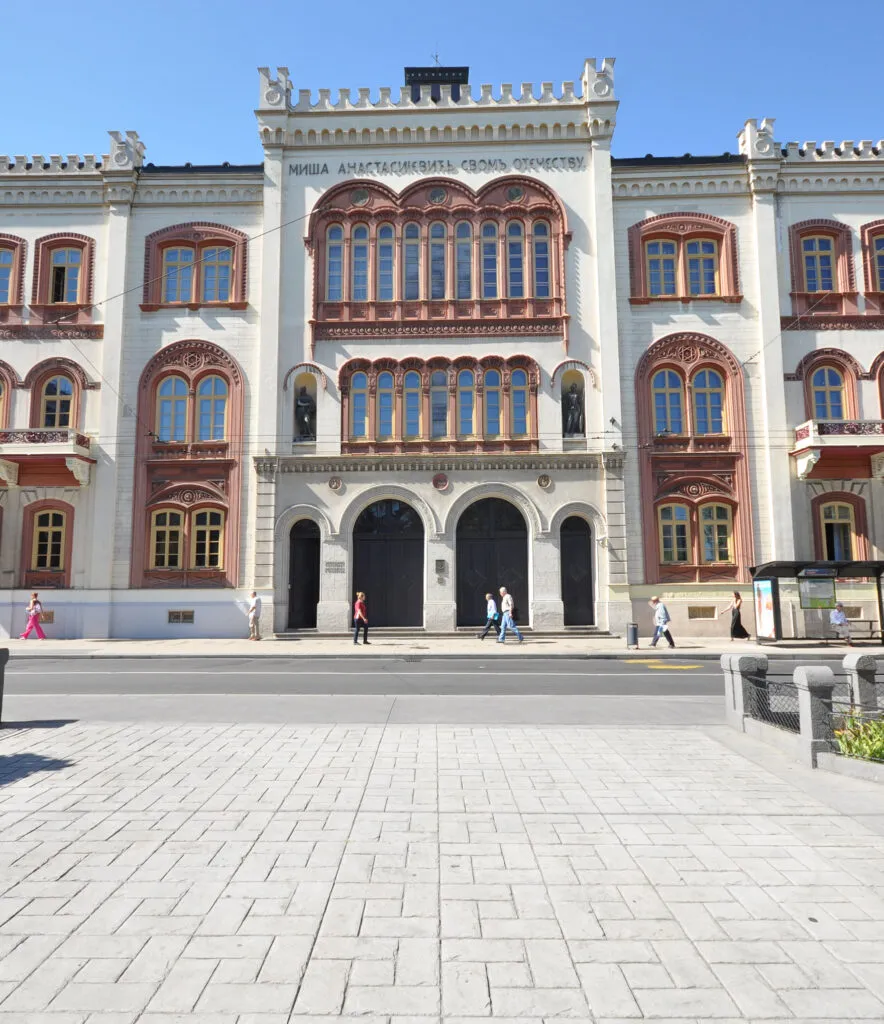
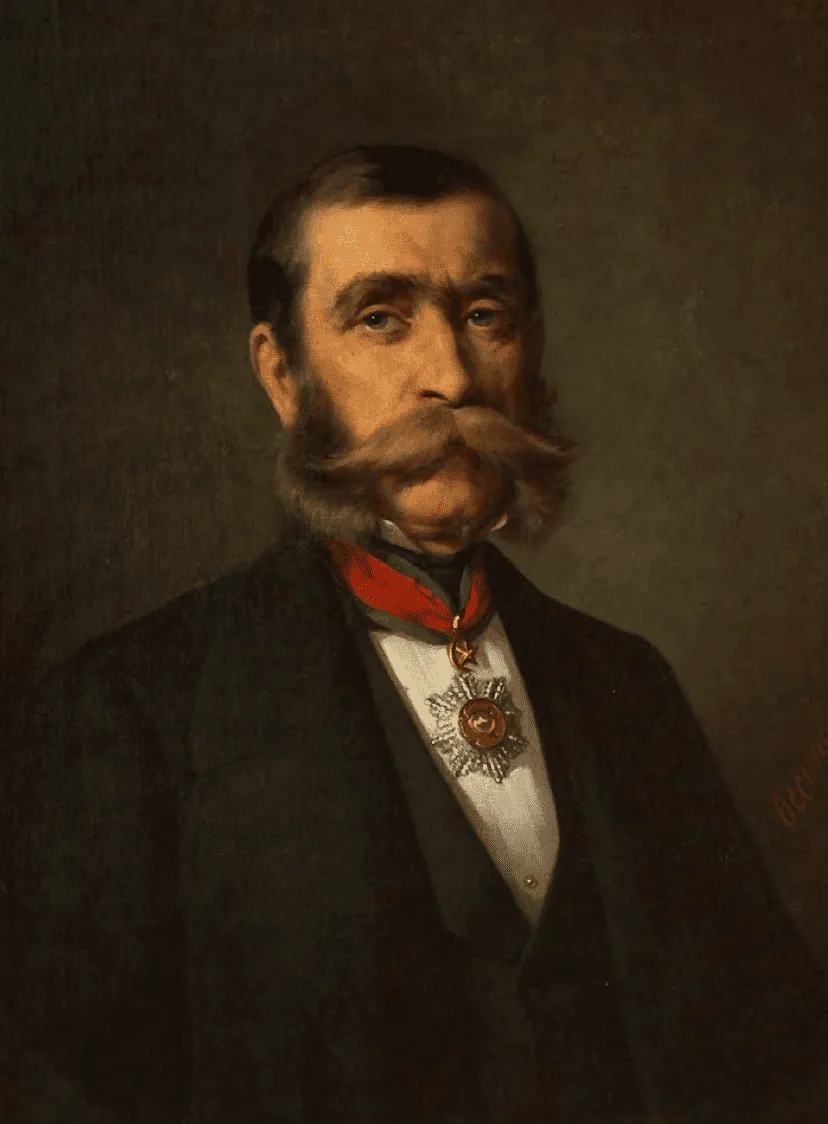
The symbol of this era is Captain Miša Anastasijević, the richest Serb of his time. In 1863 he donated his magnificent palace on Studentski Trg “to his fatherland” to house cultural and educational institutions. Today the building is the seat of the Rectorate of the University of Belgrade.
The Richest University in Europe
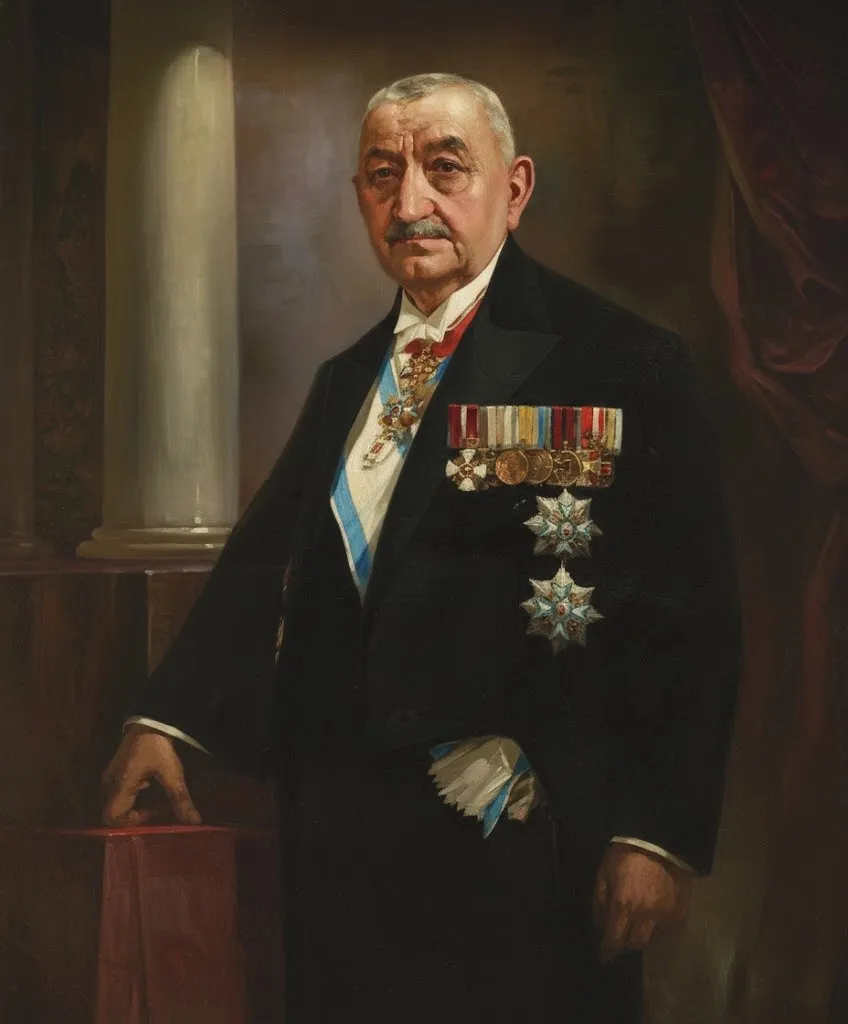
Until the Second World War, the University of Belgrade had at its disposal more than 85 funds and endowments. Its capital placed it among the three richest universities in Europe.
The greatest benefactor was Luka Ćelović Trebinjac. This modest Herzegovinian bequeathed to the University all of his property, including an entire quarter in Savamala and, through the Belgrade Cooperative, the “Bristol” hotel, the Belgrade Cooperative building and the park near the Faculty of Economics. His bequest alone was worth as much as half of all the others combined.

Collapse and Renewal
After the Second World War, nationalisation and confiscation of property took place. The will of the benefactors was annulled, and the funds flowed into the state treasury. Only in 1995, by decisions of the Ministry of Culture, was the right of management over part of the endowments returned to the University, which began the process of arduous renewal of this noble tradition.
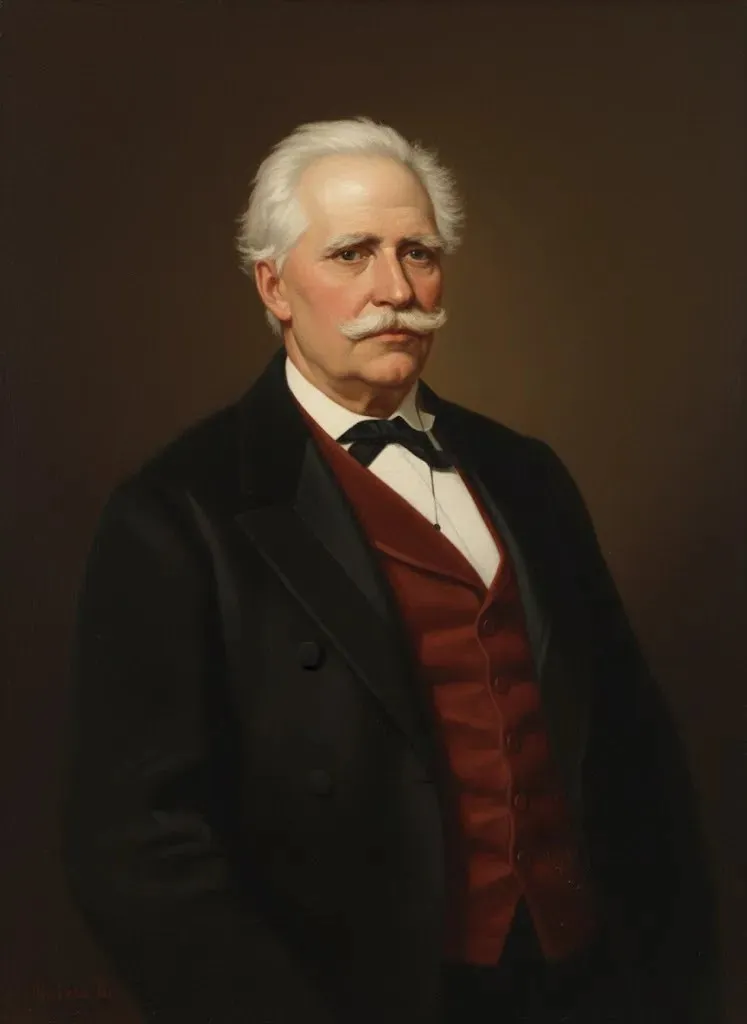
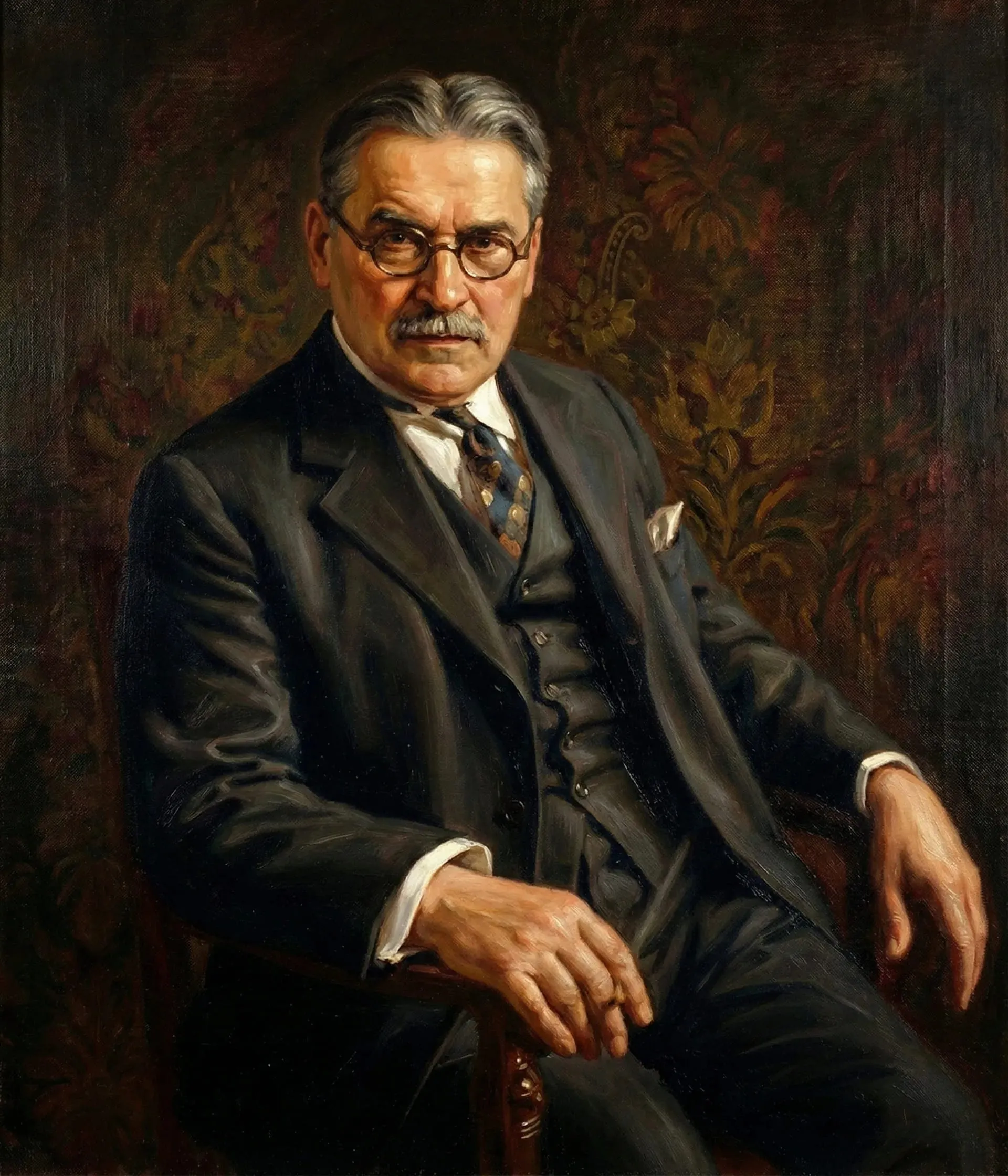
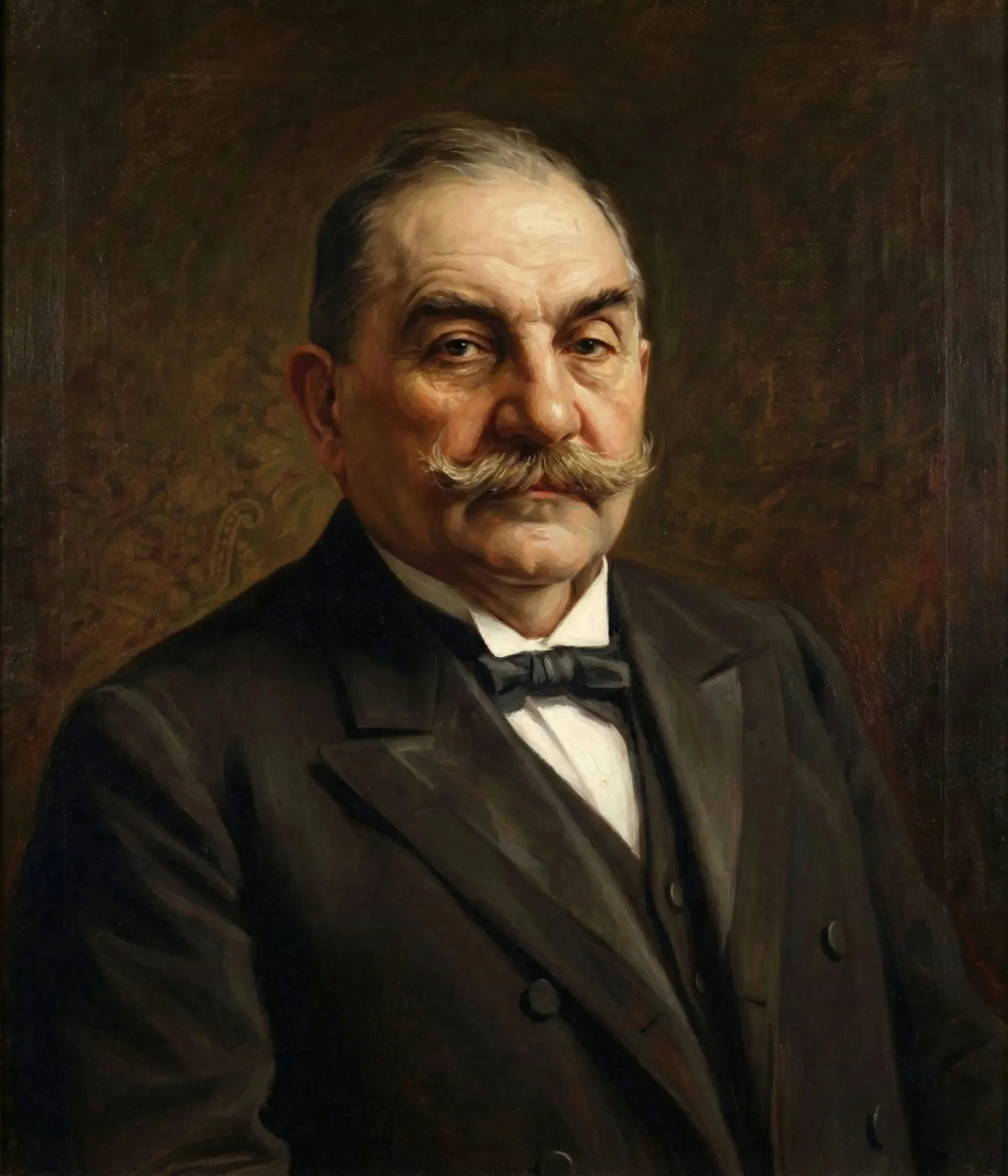
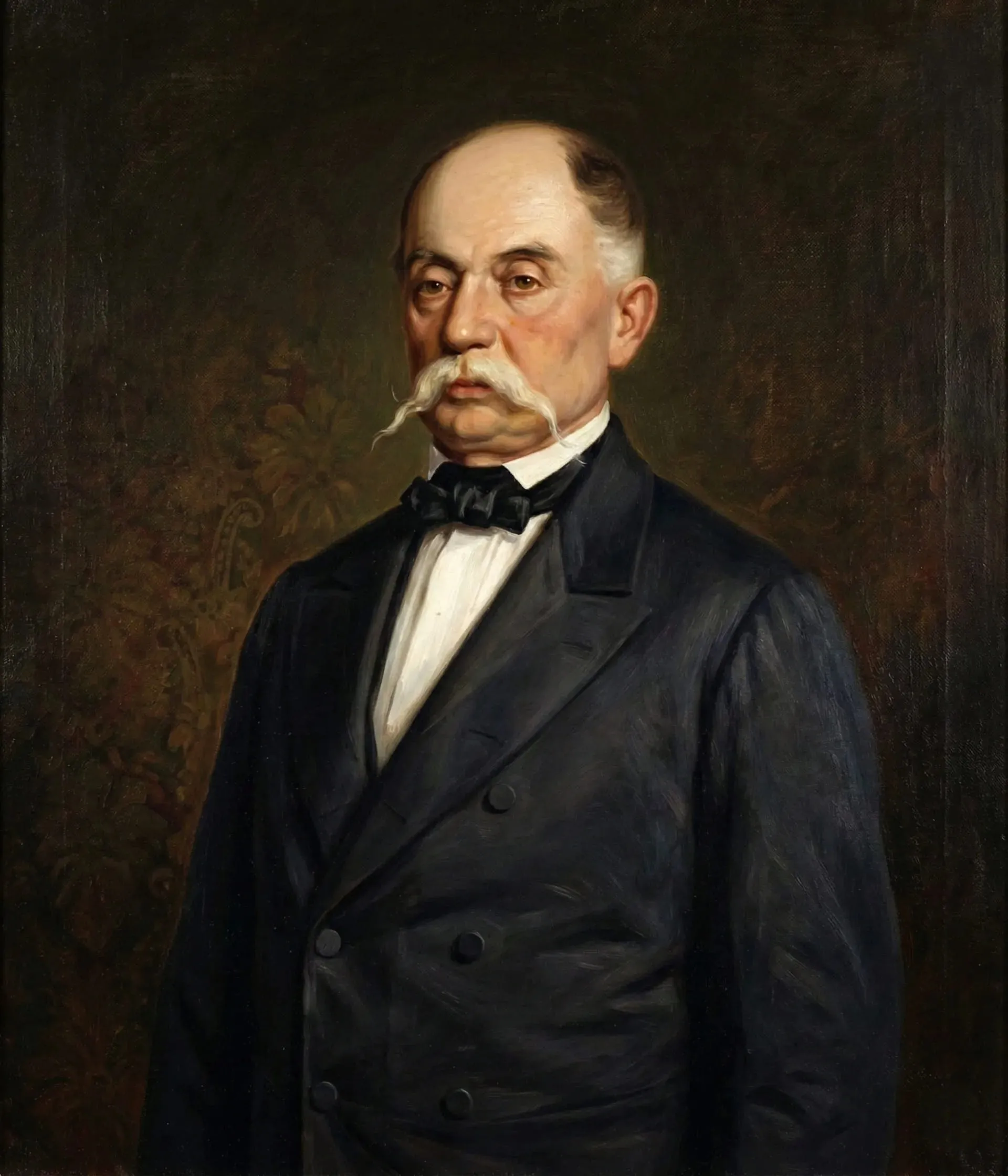
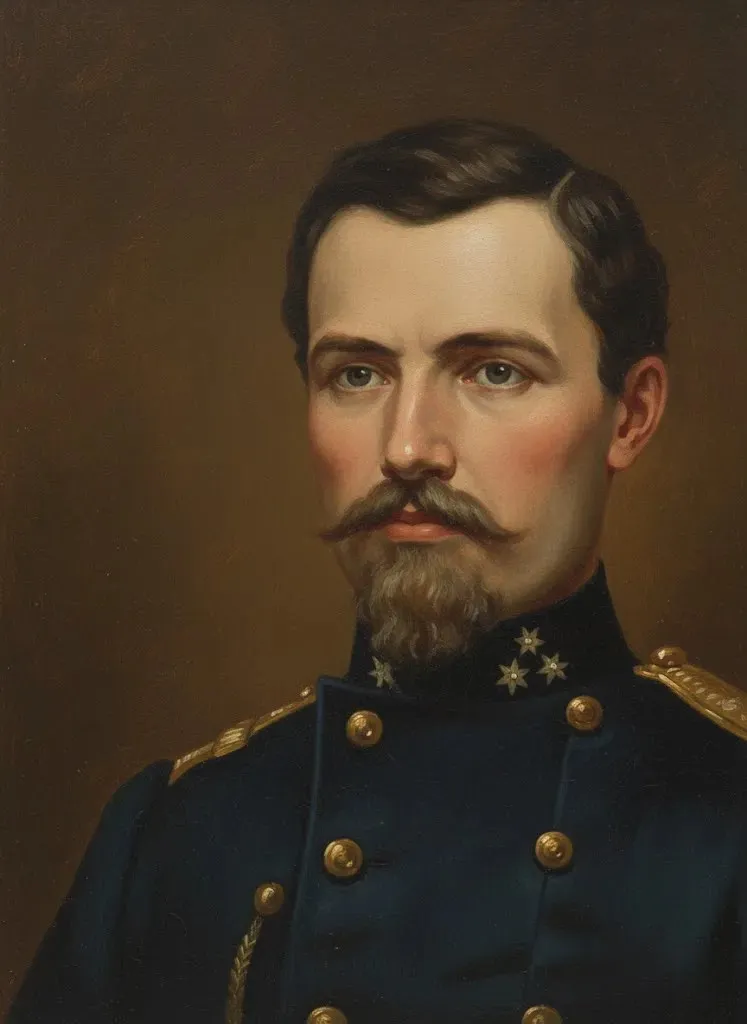
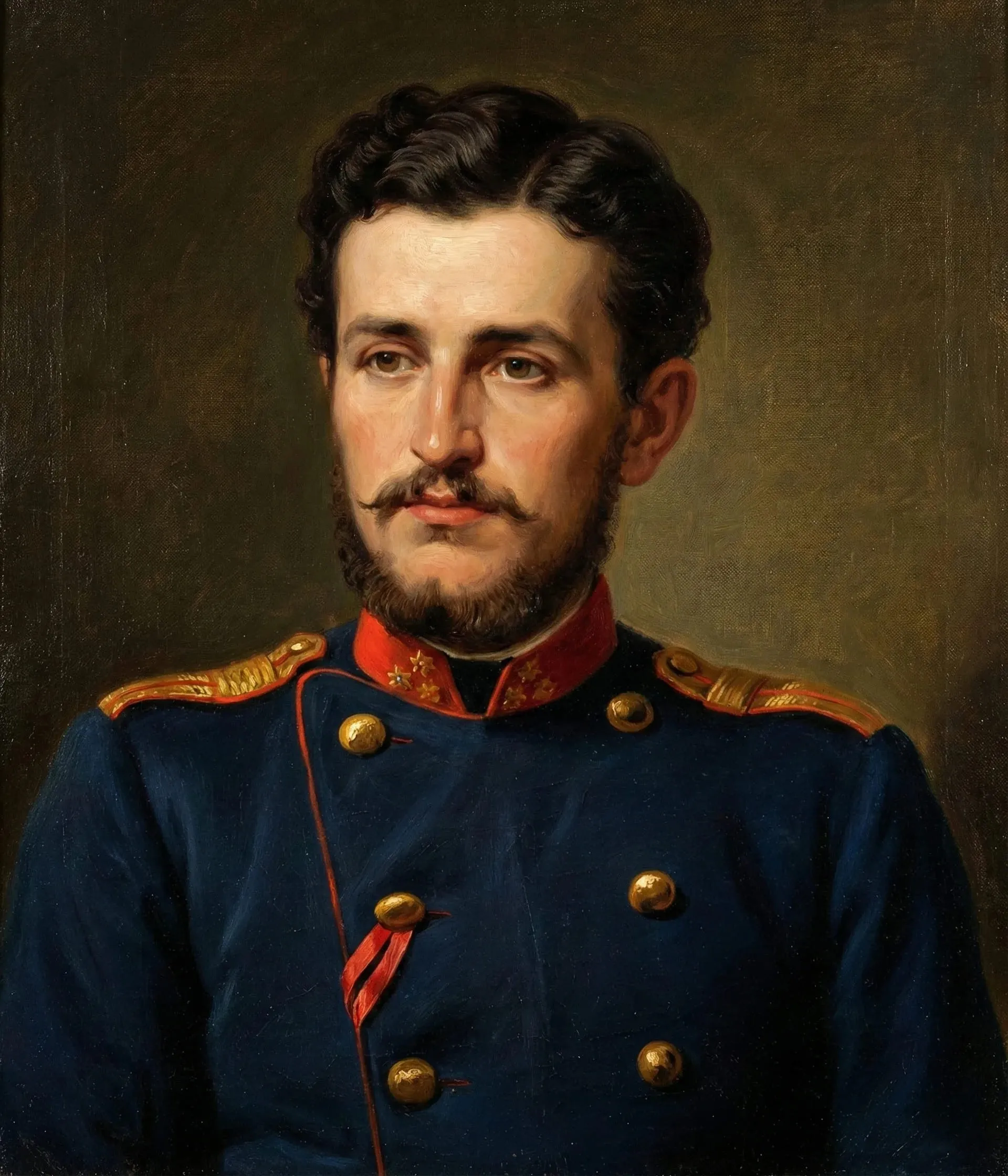
The Tradition Lives On Today
Do you want to continue the path of the Nemanjić rulers, Kolarac and Spasić? See the guide for today’s benefactors.
How to Become a Modern BenefactorLiterature and sources
This list is for further reading and verification. Online sources were checked on 30 September 2026; books and medieval sources are recommended reading, not sources for individual statements on this page.
Online sources
- Sonja Ćirić, “Šta je zadužbina nama, a šta smo mi njoj” (What Is an Endowment to Us, and What Are We to It), Vreme, no. 1863, 13 February 2025
- Serbian Business Registers Agency, Guide to the Law on Endowments and Foundations
Further reading
- Sima Ćirković, Srbi među evropskim narodima. Beograd: Equilibrium, 2004.
- Istorija srpskog naroda, knj. I–VI. Beograd: Srpska književna zadruga, 1981–1994.
- Sima Ćirković, Rade Mihaljčić (ur.), Leksikon srpskog srednjeg veka. Beograd: Knowledge, 1999.