
Sopoćani Monastery
The pinnacle of 13th-century European painting
A forerunner of the Renaissance
Sopoćani Monastery, an endowment of King Stefan Uroš I, was built around 1260 near the source of the Raška River. It takes its name from the Old Slavonic word “sopot”, meaning a spring.
What sets Sopoćani apart on a world scale are its frescoes. Painted in 1265, they represent the pinnacle of Byzantine art of that age. The figures in the frescoes are not ascetically dry, but beautiful, harmonious in an antique manner and full of life. Many art historians consider that Sopoćani painting anticipated the Italian Renaissance, which would come only a century later.
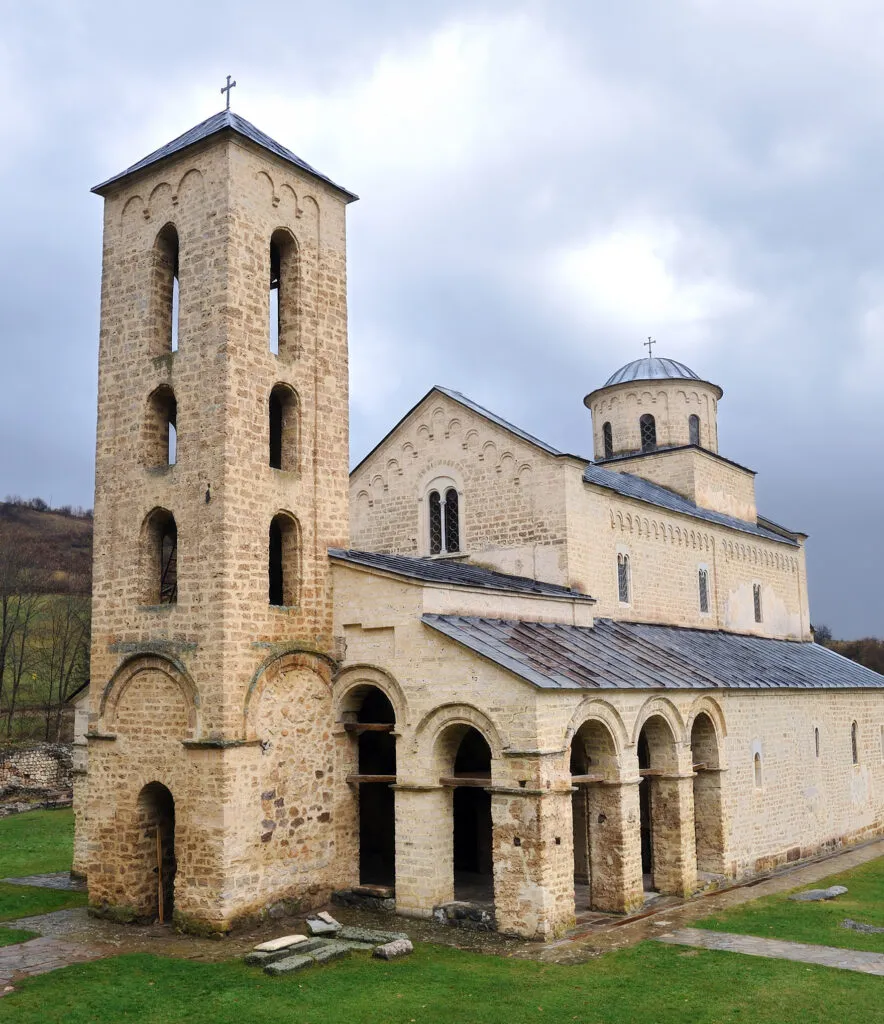
The Dormition of the Most Holy Mother of God
The most famous fresco is the monumental “Dormition of the Most Holy Mother of God”, which was proclaimed the most beautiful fresco of the Middle Ages at the World Exhibition in Paris in 1961. Since 1979 the monastery has been on the UNESCO World Heritage List.
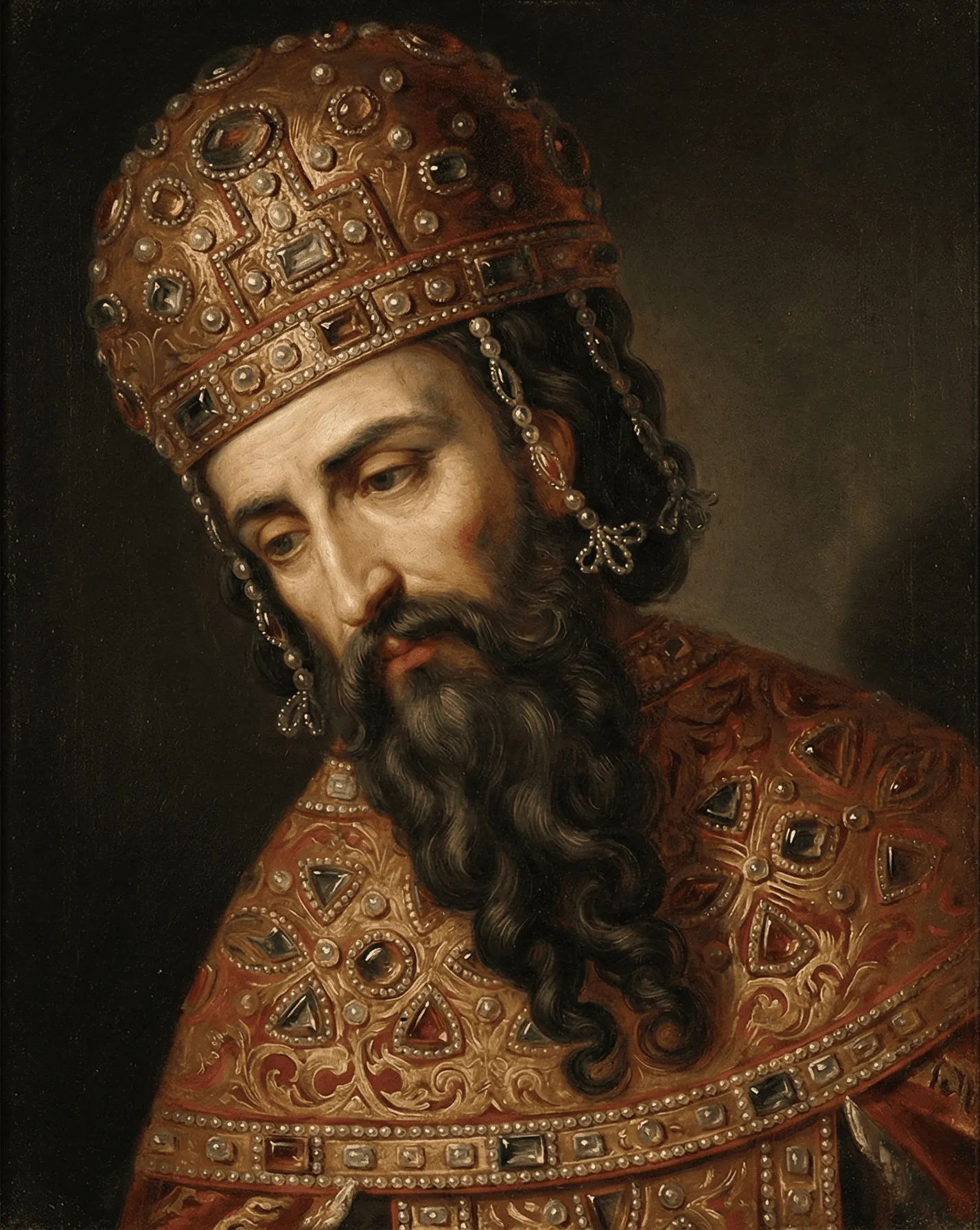
Details
- Dedicated to:the Holy Trinity
- Year:around 1260
- Location:Novi Pazar (Raška)
- Style:Raška School
- Status:UNESCO
At a glance
Related
Literature and sources
This list is for further reading and verification. Online sources were checked on 30 September 2026; books and medieval sources are recommended reading, not sources for individual statements on this page.
Online sources
- Stari Ras and Sopoćani, UNESCO World Heritage Centre
- Republic Institute for the Protection of Cultural Monuments
Further reading
- Sima Ćirković, Srbi među evropskim narodima. Beograd: Equilibrium, 2004.
- Sima Ćirković, Rade Mihaljčić (ur.), Leksikon srpskog srednjeg veka. Beograd: Knowledge, 1999.
Medieval sources
- Arhiepiskop Danilo II, Životi kraljeva i arhiepiskopa srpskih.