
Saint Nicholas Monastery
The first endowment of Stefan Nemanja
The beginning of the Nemanjić era
Before Studenica, before Đurđevi Stupovi (Saint George's Pillars) and before Hilandar, there was Saint Nicholas in Toplica. This monastery occupies a special place in Serbian history because it is the first endowment of Stefan Nemanja. He built it between 1159 and 1166, while he was still an appanage prince, before he assumed the title of Grand Župan and united the Serbian lands.
The monastery was built on a rise above the confluence of the Banjska and the Toplica, on a site where, according to tradition, an early Christian basilica once stood. By building it, Nemanja announced his programme of state and spiritual renewal of Serbia, showing that a ruler must also be a builder of churches.
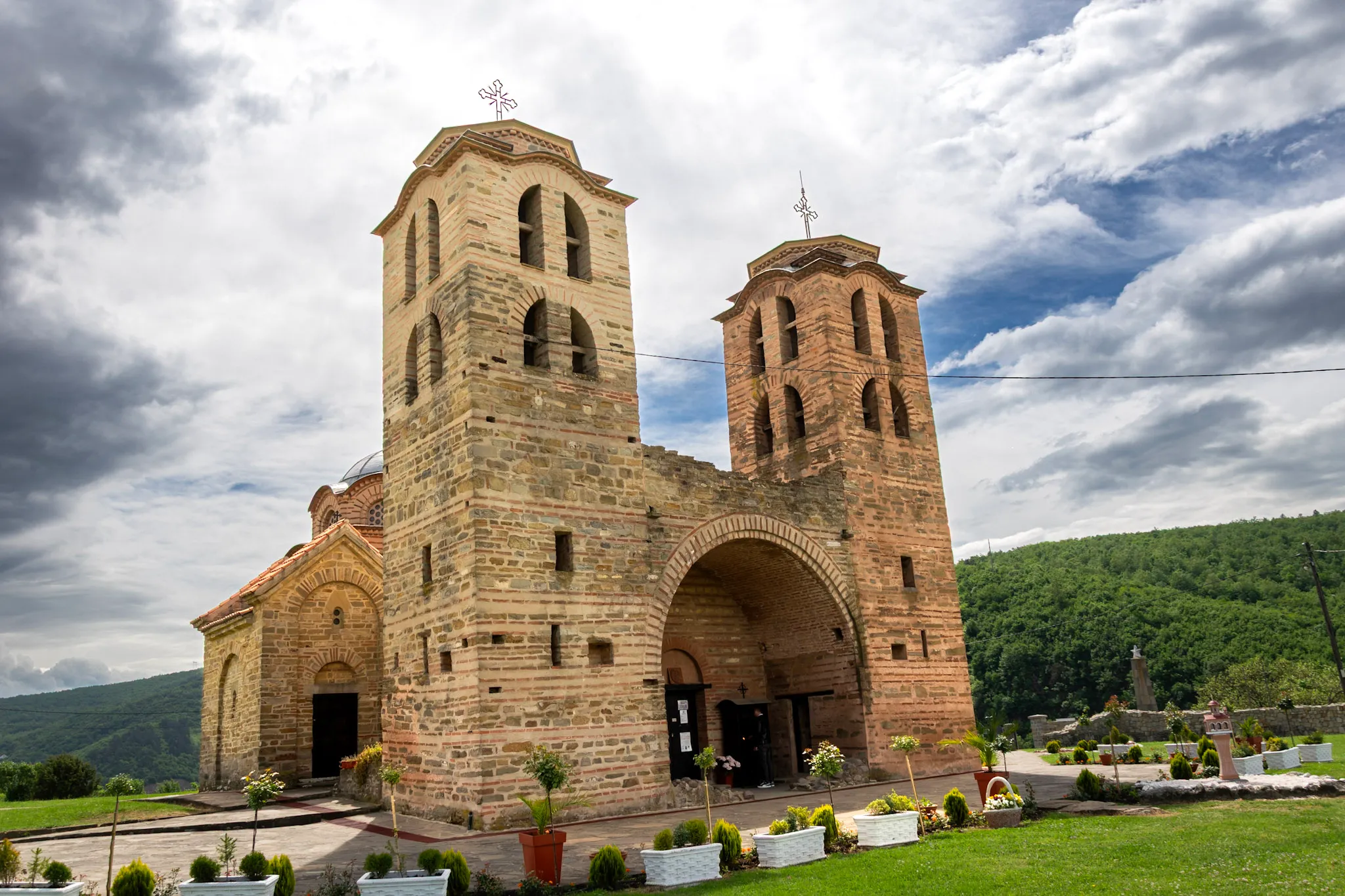
White churches and lead roofs
In its immediate vicinity, Nemanja also built the Monastery of the Most Holy Mother of God (for his wife Ana). Because of their roofs, which were covered with gleaming lead, these two buildings were called “White Churches” by the people. The settlement itself long bore the name Bela Crkva after them. Later, with the arrival of the Turks, the name was changed to Kuršumlija (from the Turkish word kurşun - lead), precisely because of those lead roofs that shone in the sun.
Seat of the diocese
The importance that Nemanja, and later Saint Sava, attached to this place is shown by the fact that in 1219, when the Serbian Church obtained autocephaly, it was right here that Saint Sava placed the seat of the Diocese of Toplica. For centuries the monastery was a spiritual centre; it was destroyed and burned, and after a long period of neglect it is rising again today.
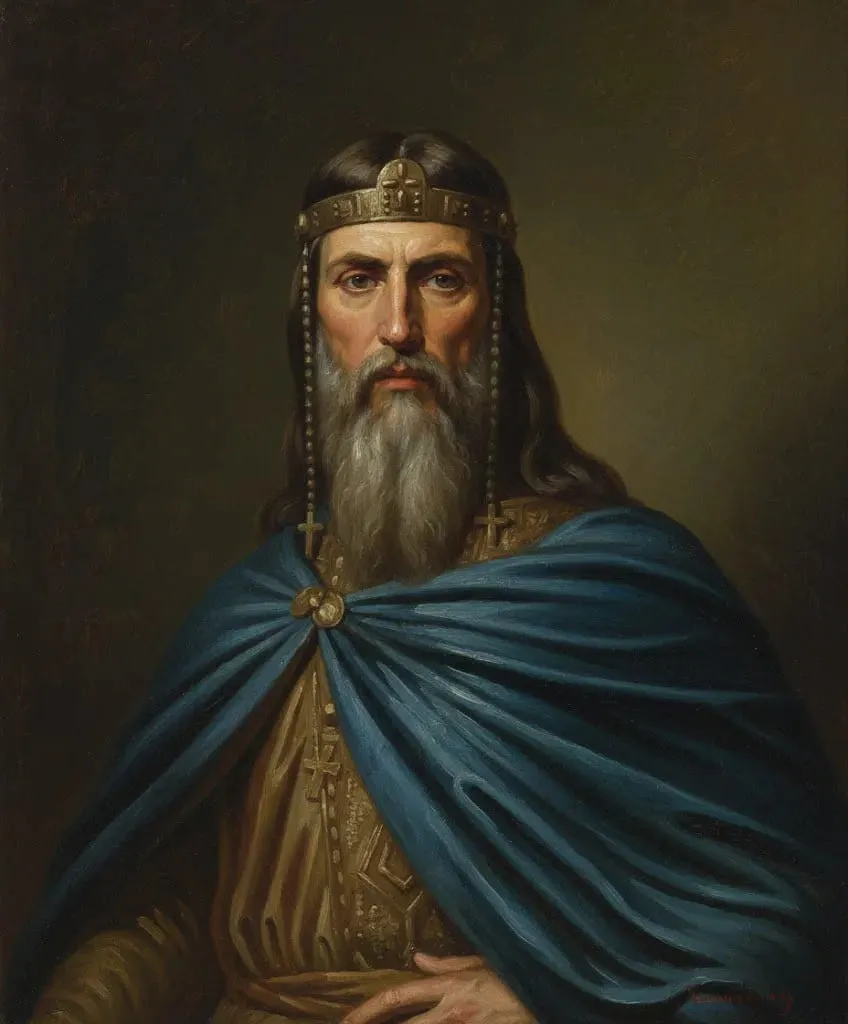
Key Facts
- Founded: 1159–1166
- Location: Kuršumlija
- Dedicated to: Saint Nicholas
- Style: Precursor of the Raška style
- Significance: The first endowment
- Status: Cultural monument
At a glance
Related
Literature and sources
This list is for further reading and verification. Online sources were checked on 30 September 2026; books and medieval sources are recommended reading, not sources for individual statements on this page.
Online sources
Further reading
- Sima Ćirković, Srbi među evropskim narodima. Beograd: Equilibrium, 2004.
- Sima Ćirković, Rade Mihaljčić (ur.), Leksikon srpskog srednjeg veka. Beograd: Knowledge, 1999.
Medieval sources
- Stefan Prvovenčani, Žitije svetog Simeona.