
Studenica Monastery
The mother of all Serbian churches
The white marble of eternity
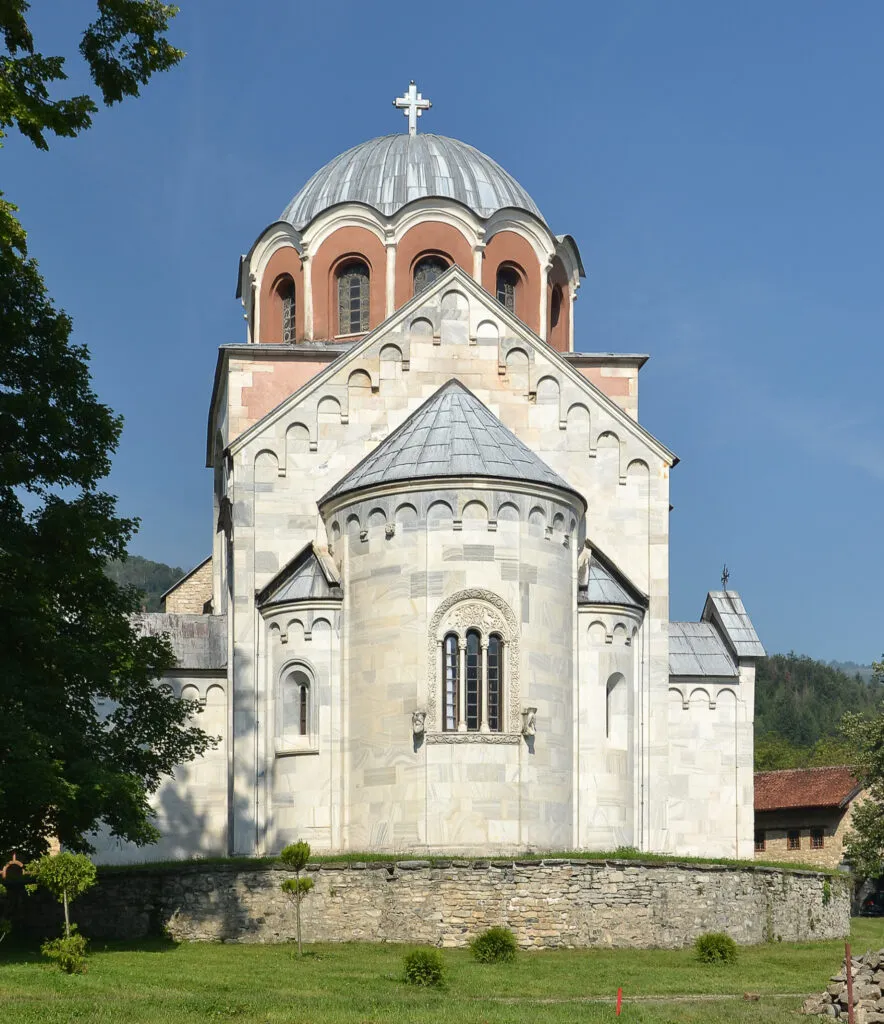
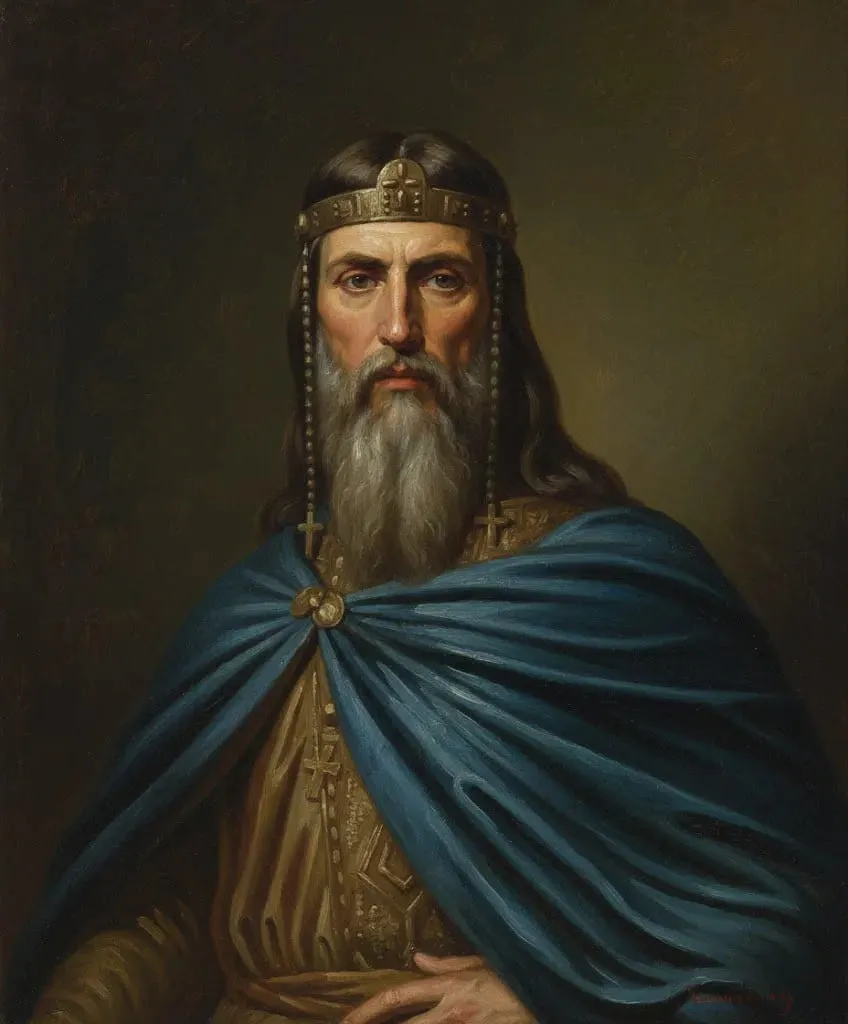
Studenica Monastery is the most important endowment of Stefan Nemanja, the progenitor of the Nemanjić dynasty. It was built at the end of the 12th century (in 1190) in a desolate region “which was a hunting ground of beasts”. Studenica was conceived as the main spiritual centre of the Serbian state and as Nemanja's burial church.
The Church of the Mother of God at Studenica represents the perfection of the Raška school of building. What sets it apart from all others is its façade of white Radočelo marble, which shines among the green hills of Golija. Saint Sava wrote the “Studenica Typikon” here and began the independence of the Serbian Church.
The Studenica Crucifixion
The interior of the monastery conceals frescoes that are masterpieces of 13th-century Byzantine painting. The best known is the monumental composition “The Crucifixion of Christ” (the Studenica Crucifixion) on the west wall, dominated by Byzantine blue (which was then more expensive than gold).
The monastery holds the relics of Saint Simeon (Stefan Nemanja), his wife Anastasia and his sons Vukan and Stefan the First-Crowned. In 1986 Studenica was inscribed on the UNESCO World Heritage List.
Key Facts
- Dedicated to: the Mother of God
- Completed: 1190
- Location: Kraljevo (Ušće)
- Style: Raška school
- Status: UNESCO Heritage
At a glance
Related
Literature and sources
This list is for further reading and verification. Online sources were checked on 30 September 2026; books and medieval sources are recommended reading, not sources for individual statements on this page.
Online sources
- Studenica Monastery, UNESCO World Heritage Centre
- Republic Institute for the Protection of Cultural Monuments
Further reading
- Sima Ćirković, Srbi među evropskim narodima. Beograd: Equilibrium, 2004.
- Sima Ćirković, Rade Mihaljčić (ur.), Leksikon srpskog srednjeg veka. Beograd: Knowledge, 1999.
Medieval sources
- Stefan Prvovenčani, Žitije svetog Simeona.
- Domentijan, Život Svetoga Save i Život Svetoga Simeona.