
Nikola Spasić
The Serbian Nobel and Belgrade’s greatest donor
A life devoted to work and the people
Nikola Spasić (1838—1916) was a Serbian wholesale merchant, philanthropist and great benefactor. In 1939, his property and endowment were worth more than the famous Nobel Foundation. He was born in Belgrade, a grandson of Stojan from Leskovac. He began modestly, as an apprentice to a wax-chandler and gingerbread maker, and then learned the trade of opanak-maker in the shop of Radovan Barlovac.
From 200 ducats to an empire
In 1864 he wished to become independent. He had savings of 200 ducats, but that was not enough. Then Đoka Jovanović, the brother of his first wife Leposava, lent him 500 ducats. That was the only loan in Nikola Spasić’s life. He remained grateful to him for life and later supported him until his death. In 1865 he opened a leather shop in Vasina Street where people queued for opanci.
Three marriages and modesty
His first wife, Leposava, died young. He lived longest with his second wife, Stanka “Čaja”. Although he became enormously rich, the household lived modestly, without luxury. Only under the influence of his third wife, Anastasija “Naka” Spasić, did he begin to engage more intensively in public charitable work. He built the family house at Knez Mihailova 33, which is today the heart of his endowment.
Warrior and saviour
He took part in the wars of 1876 as a cavalry private. During the First Balkan War in 1912, in the building of the Monopoly Administration, which he had rented, he organised an auxiliary hospital. He engaged doctors from Germany and the famous Dr Draga Ljočić. Food was prepared in his house, and his wife Naka was the head nurse. Every day he visited the wounded and sent them off with financial assistance.
At the end of 1915, old and ill, he did not want to leave his people. He retreated through Niš and Thessaloniki to Corfu, where he died in 1916. His remains were transferred in 1923 to his endowment, the Church of Saint Trifun at Topčider.
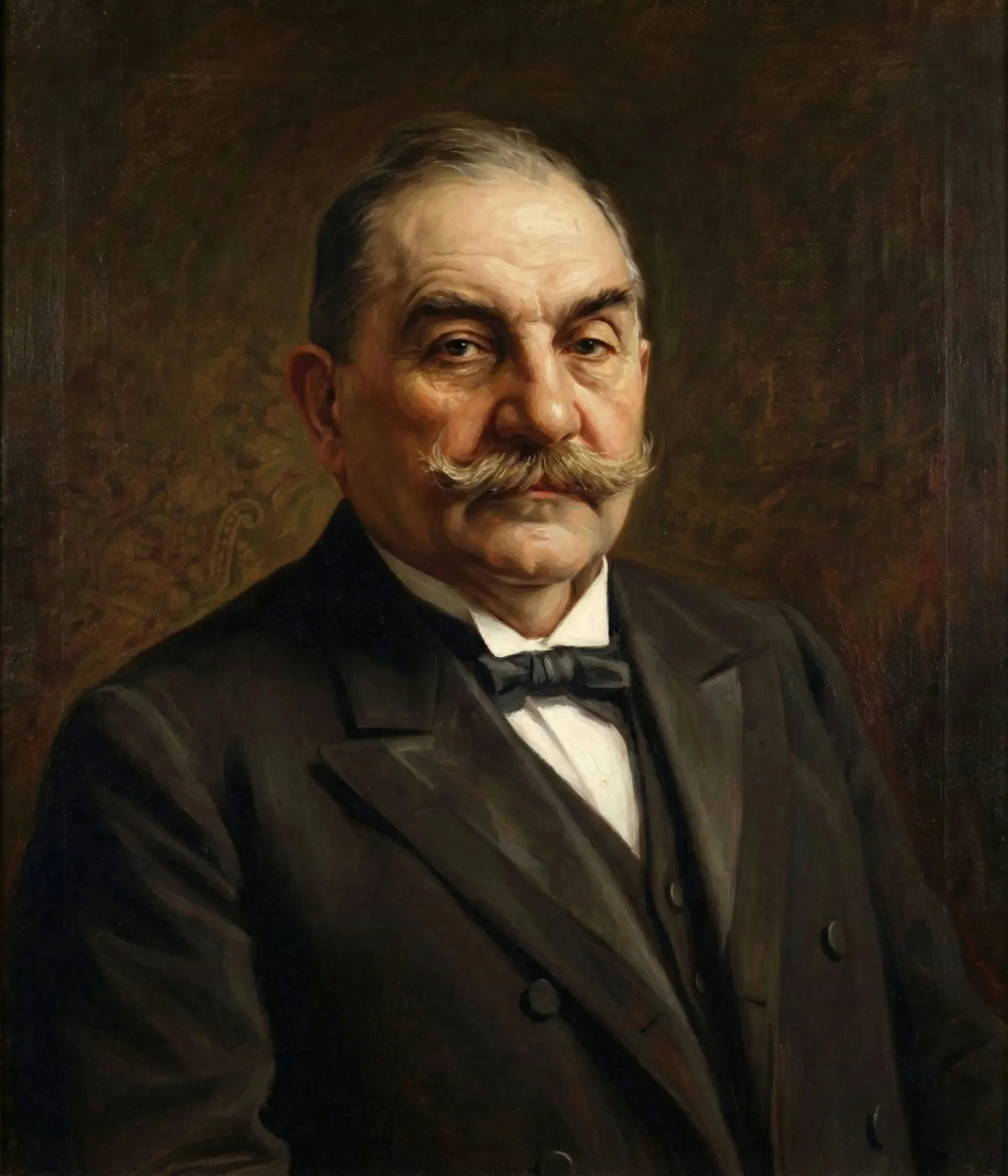
Nikola Spasić
Businessman and Benefactor
- Born: 1838 (Belgrade)
- Died: 1916 (Corfu)
- Role: President of the Stock Exchange
- Decorations: Cross of Takovo
-
Value: ~ 35,000,000 din.*Present-day equivalent: ~ €500,000,000*Estimated value of the fund, greater than the Nobel fund of that time.
Real estate
Buildings owned by the Foundation whose income finances its charitable work.
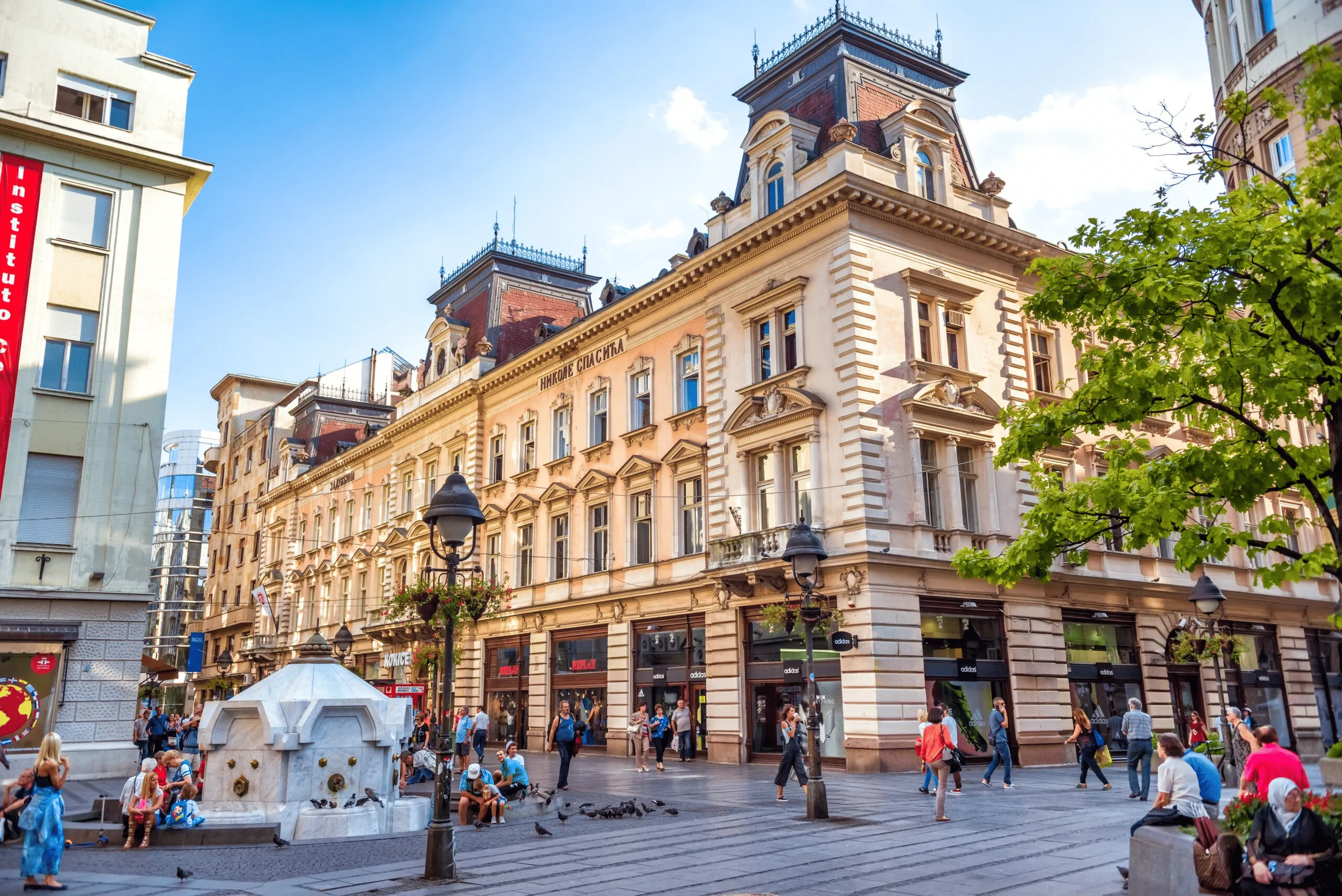
Kneza Mihaila 33 and Đure Jakšića 1
The Endowment Palace, a monumental residential and commercial building and the seat of the foundation.
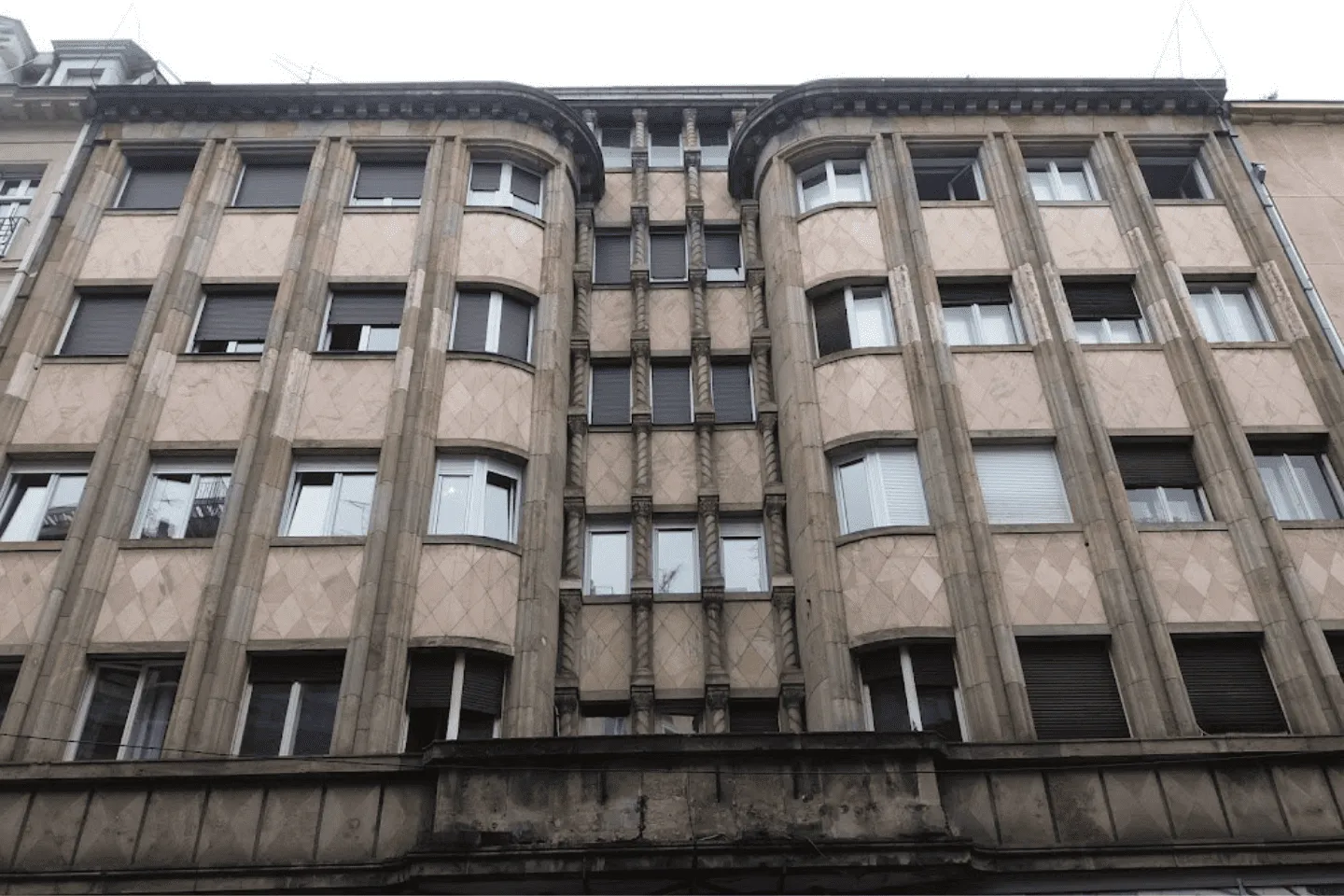
Kneza Mihaila 19 and 19A
A residential and commercial building forming part of the Spasić Passage complex.
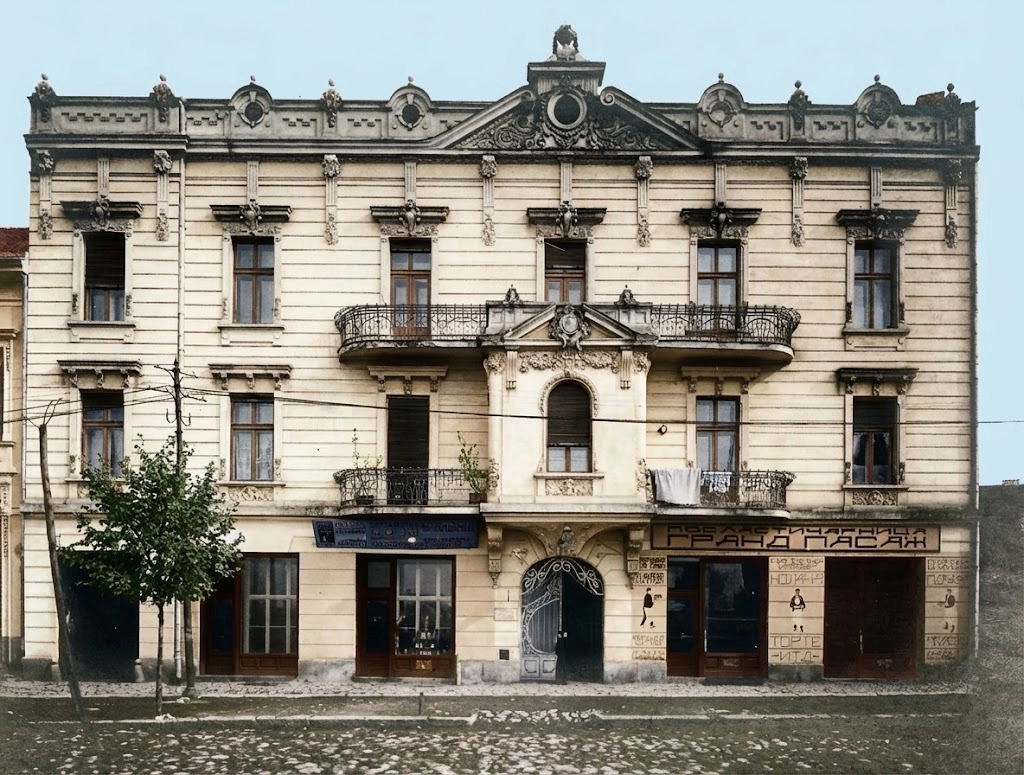
Obilićev venac 17, 17A and 17B
A magnificent building facing Vojvoda Vuk Park, with residential units.
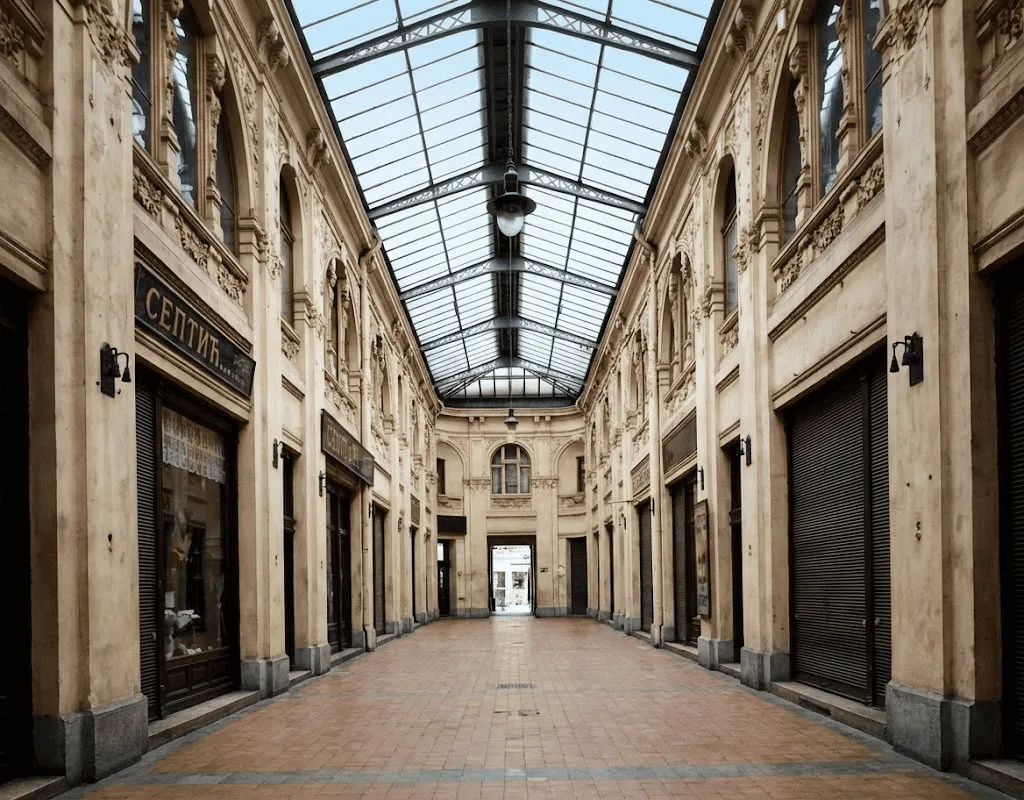
Spasić Passage
The famous passage with shops connecting Knez Mihailova and Obilićev venac.
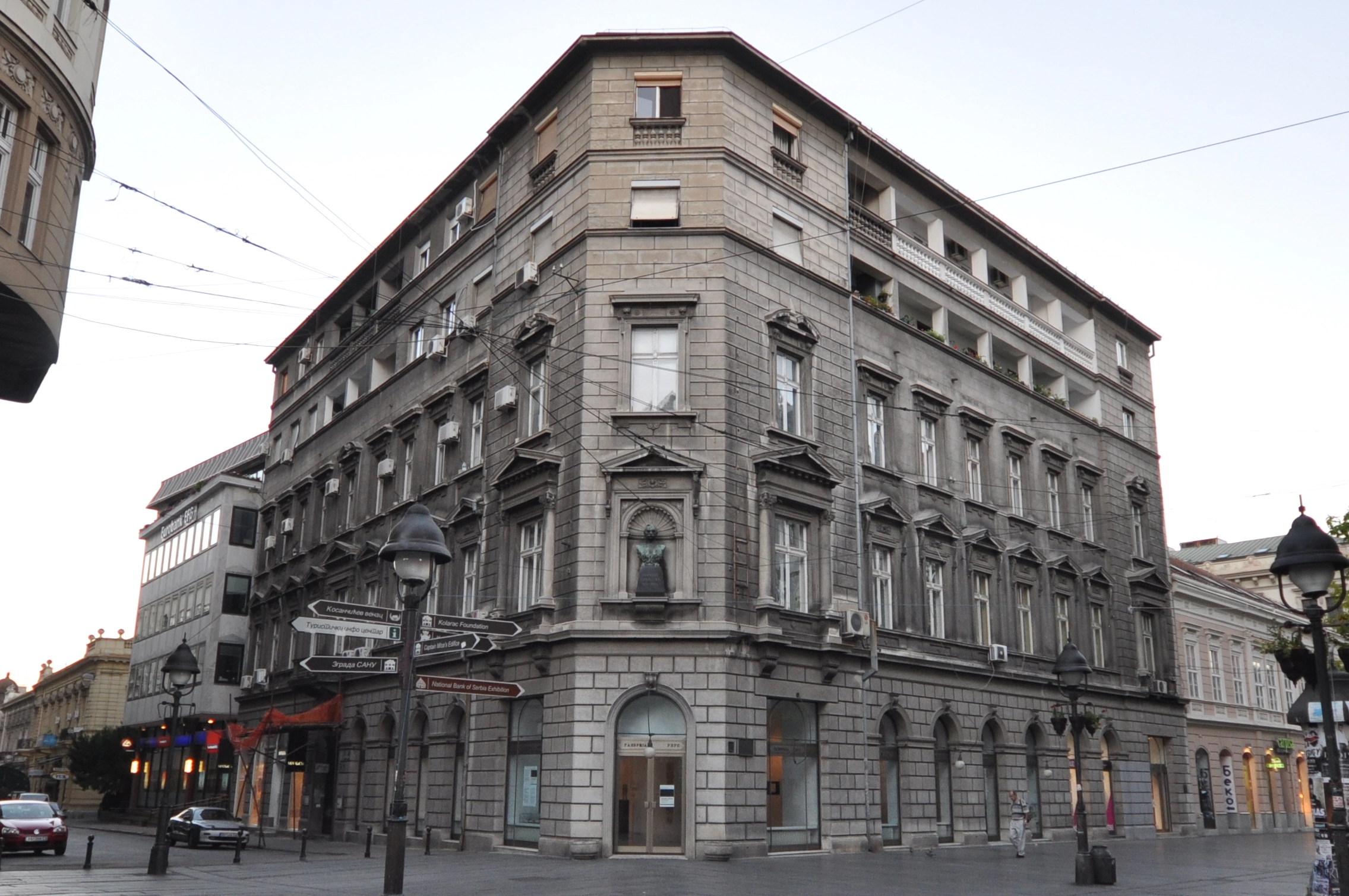
Kneza Mihaila 37 and Vuka Karadžića 8
Residential and commercial buildings in the very centre of the capital.
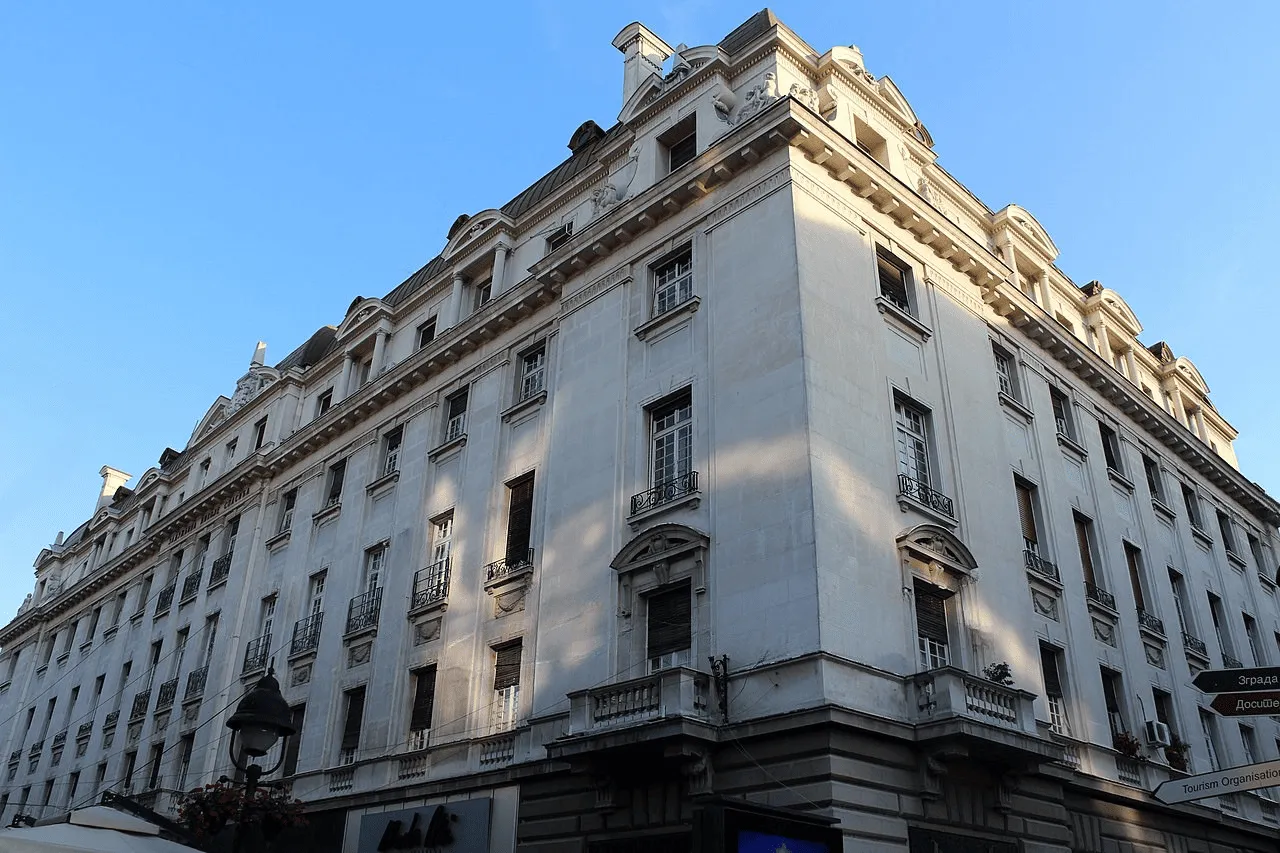
Complex near Kralja Petra
Kneza Mihaila 47 and 47A, Kralja Petra 18, and Nikole Spasića 2 and 2A.
Buildings donated to the people
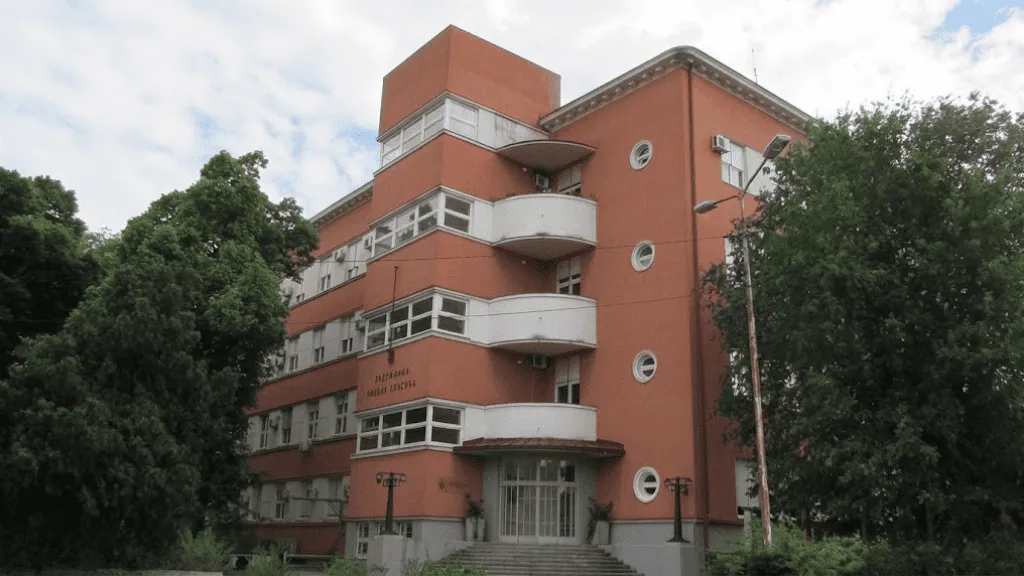
City Hospital building
Nikola Spasić Pavilion, a gift to the people of Belgrade at Zvezdara.
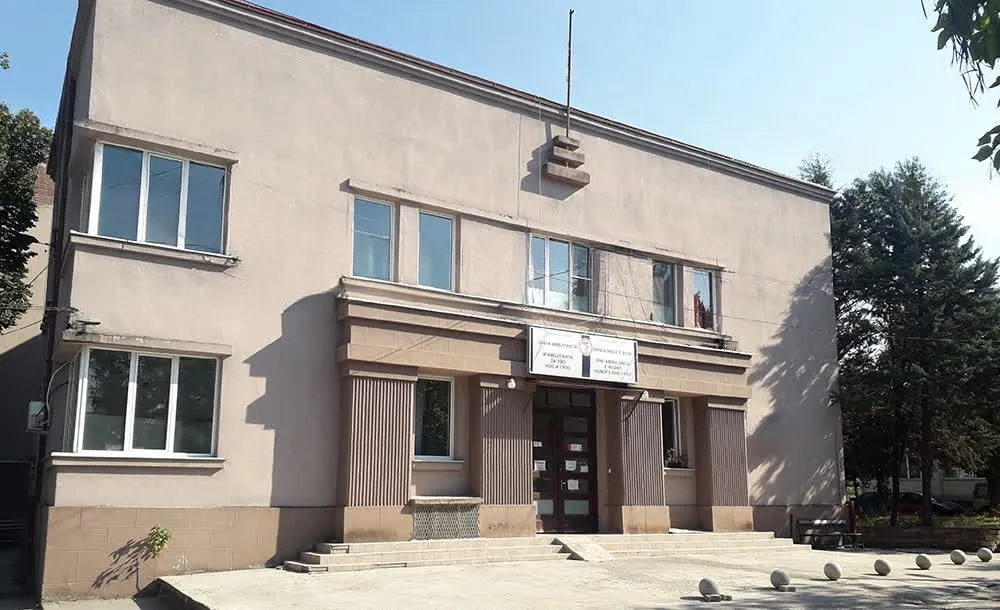
Hospital building in Kumanovo
A hospital donated for the people of Southern Serbia.
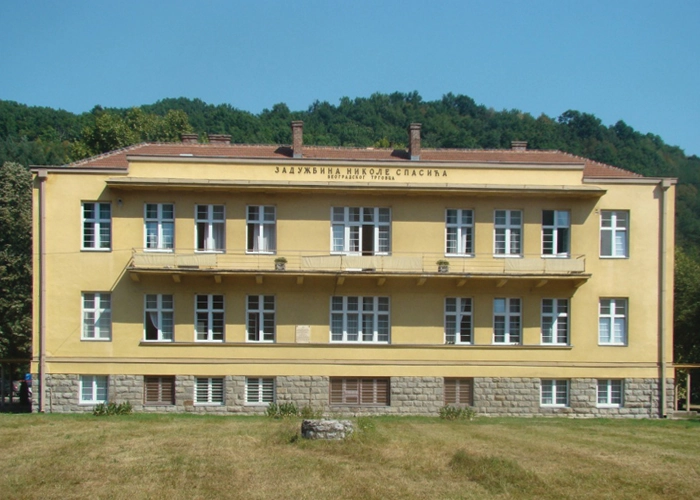
Hospital building in Krupanj
An endowment for the people of Rađevina.
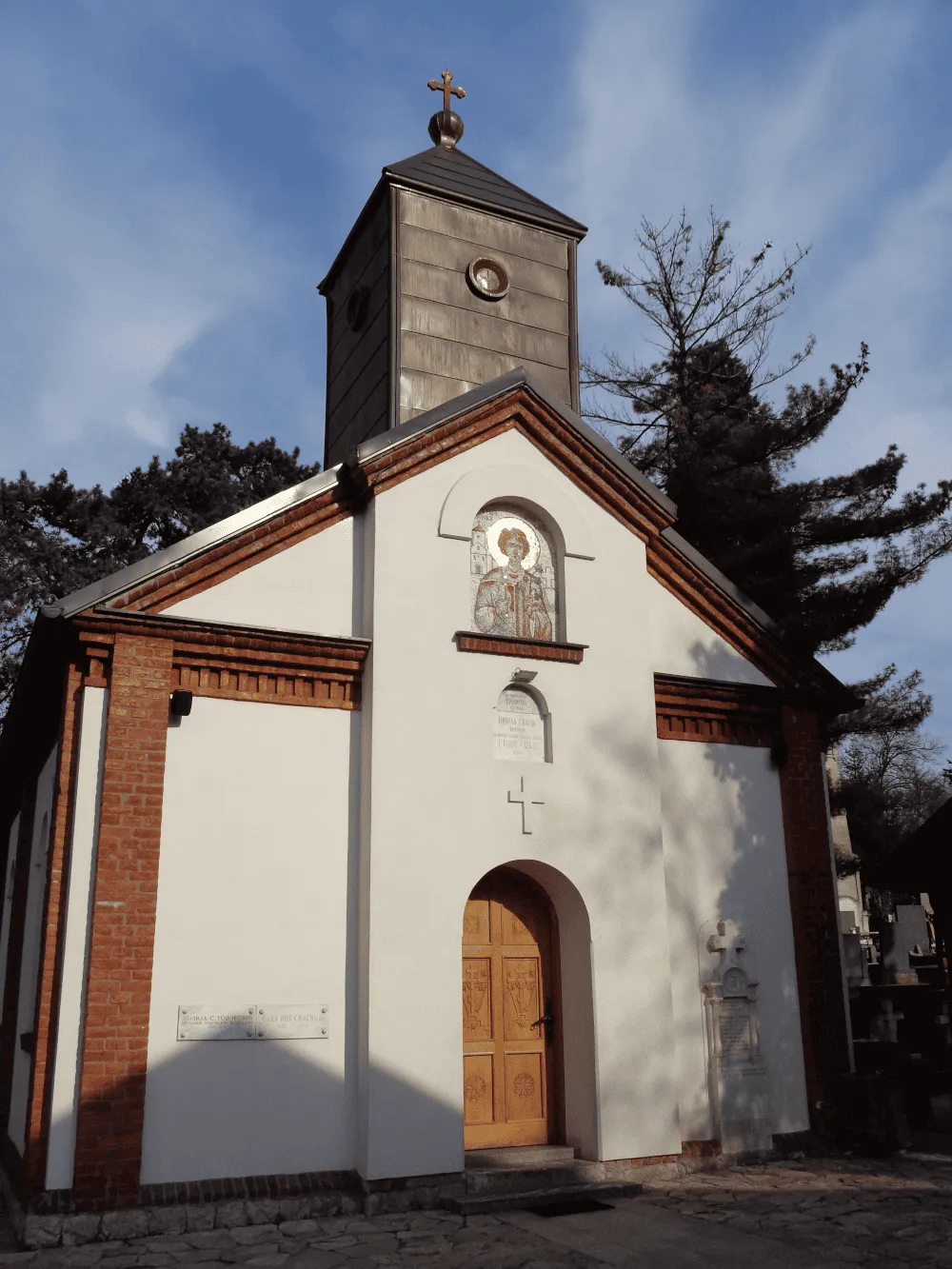
Church of the Holy Great Martyr Trifun
The endowment church in Topčider Cemetery, where the benefactor rests.
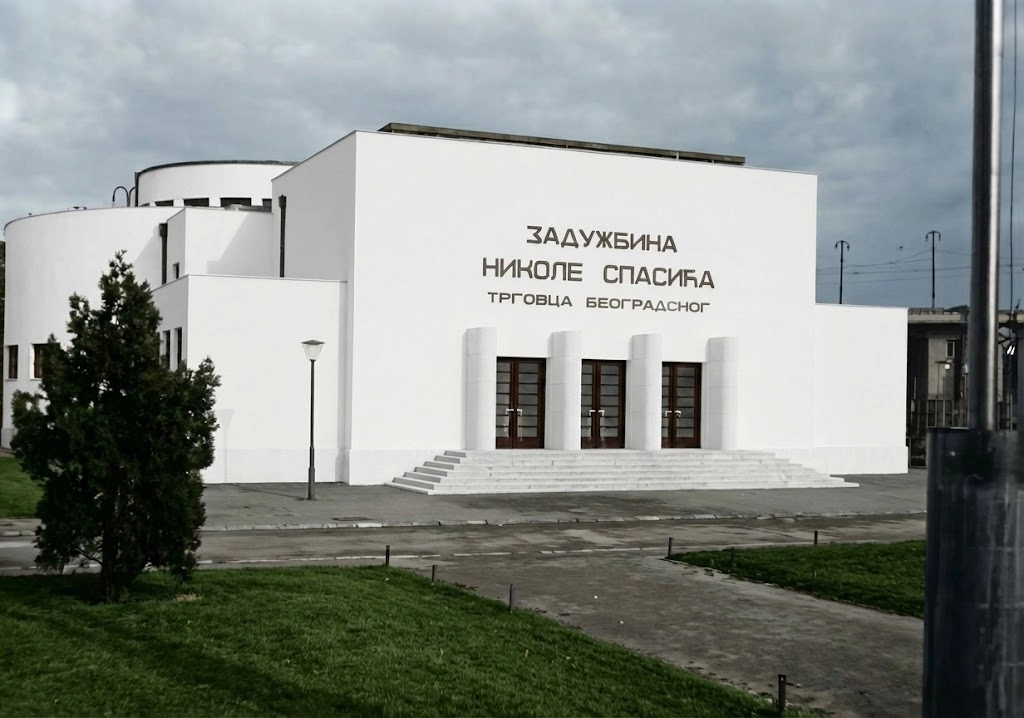
Spasić Exhibition Pavilion
The first Serbian exhibition pavilion at the old Fairground.
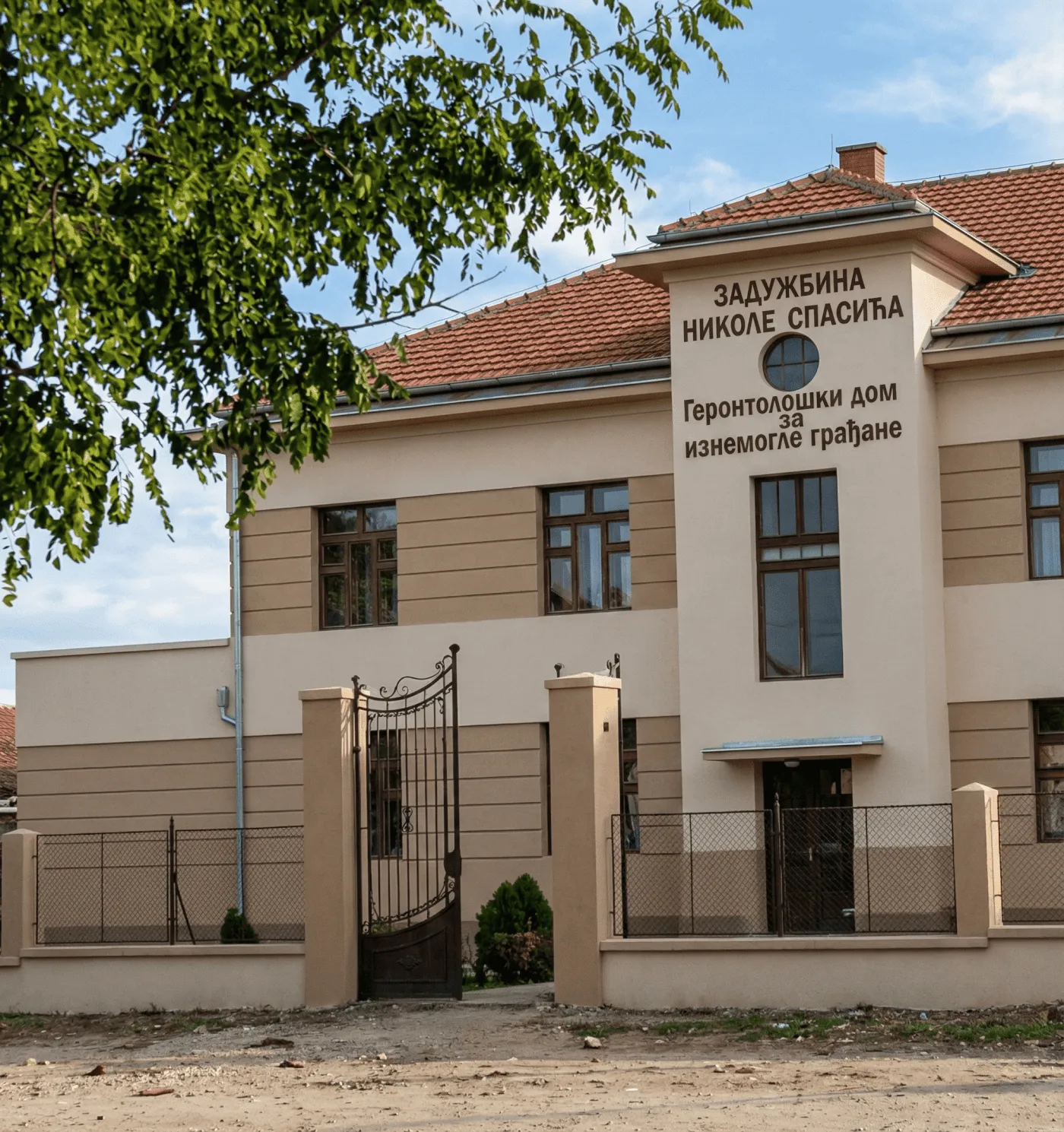
Home for Infirm Citizens
A home for infirm citizens, now part of the Gerontology Centre Knjaževac.
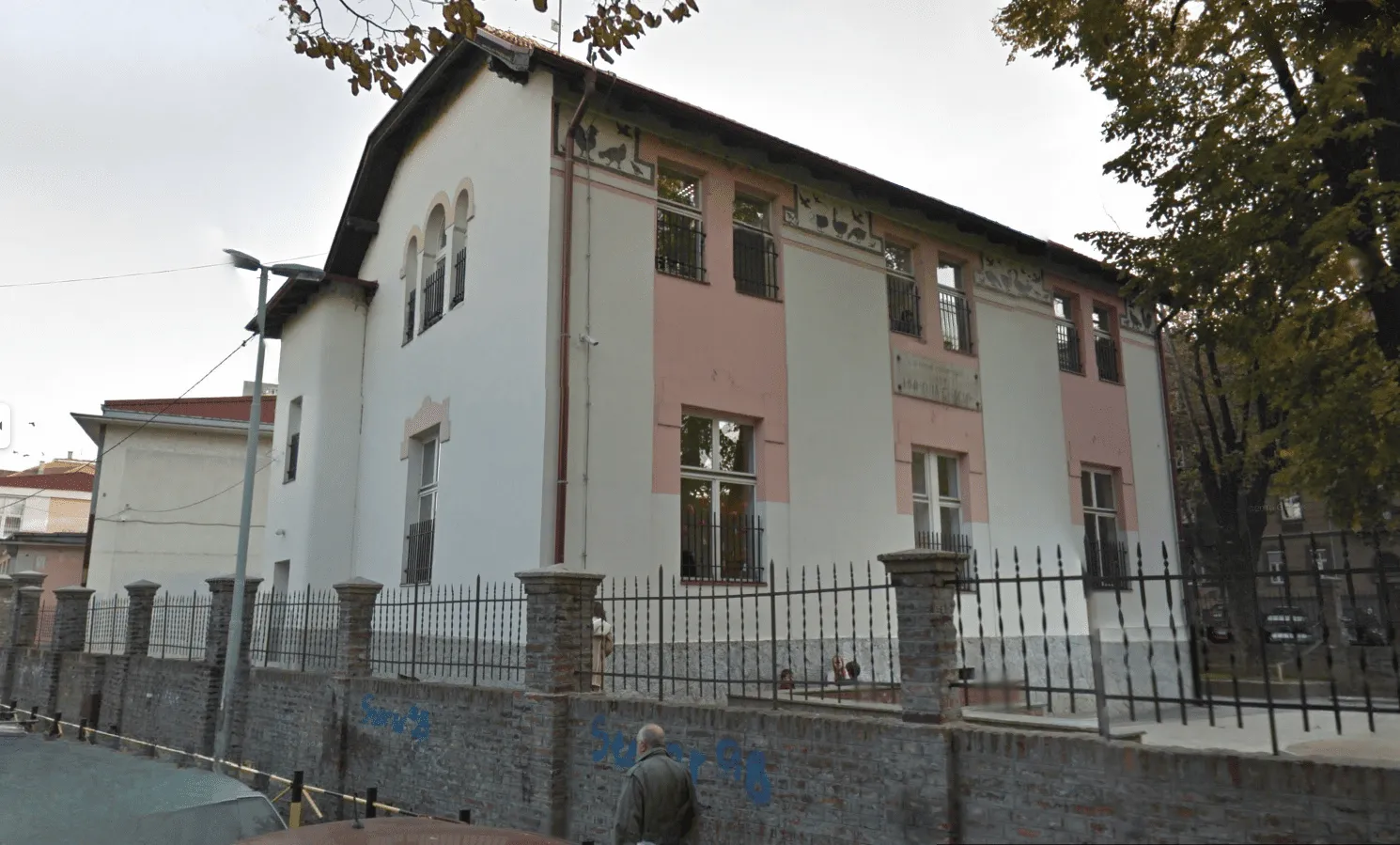
Pupils’ shelter building
A home for poor pupils in Belgrade.
At a glance
Related
Literature and sources
This list is for further reading and verification. Online sources were checked on 30 September 2026; books and medieval sources are recommended reading, not sources for individual statements on this page.
Online sources
- Sonja Ćirić, “Šta je zadužbina nama, a šta smo mi njoj” (What Is an Endowment to Us, and What Are We to It), Vreme, no. 1863, 13 February 2025
- Institute for the Protection of Cultural Monuments of the City of Belgrade
Further reading
- Srpski biografski rečnik. Novi Sad: Matica srpska, 2004–.