
Hilandar Monastery
The spiritual cradle of the Serbian people
The Imperial Lavra of the Nemanjićs
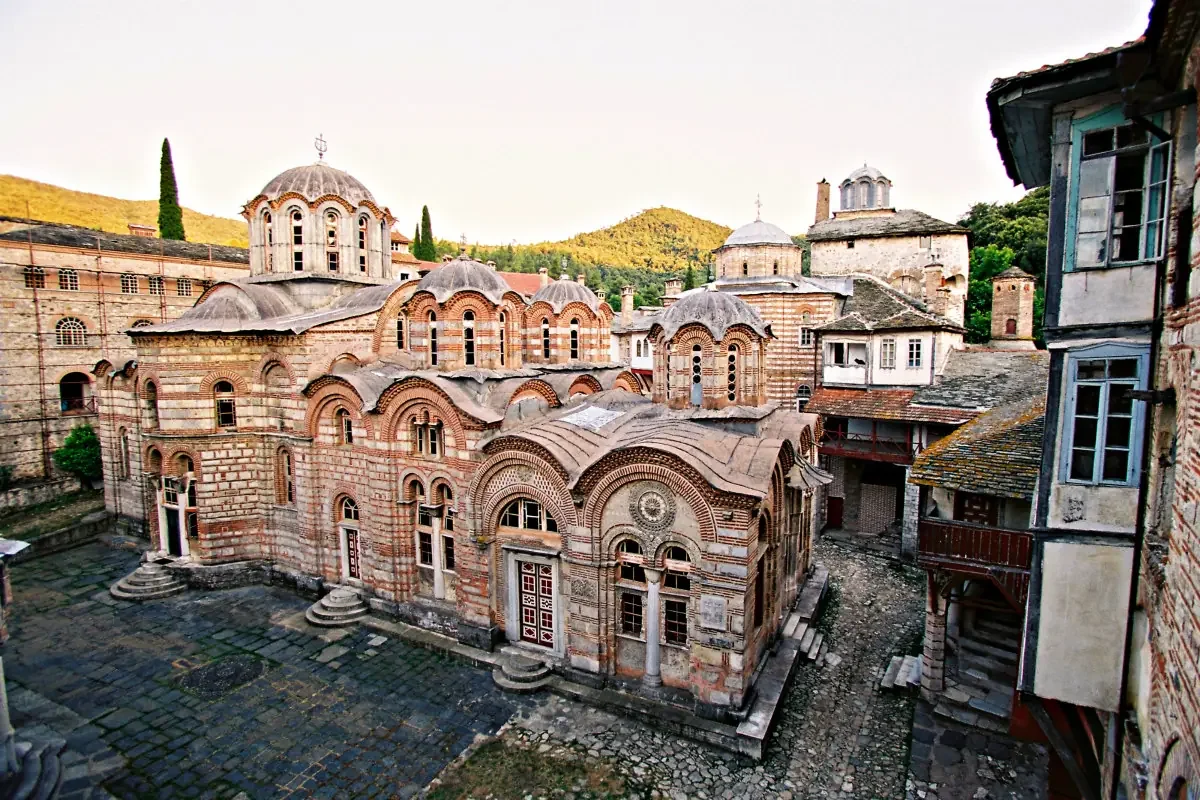
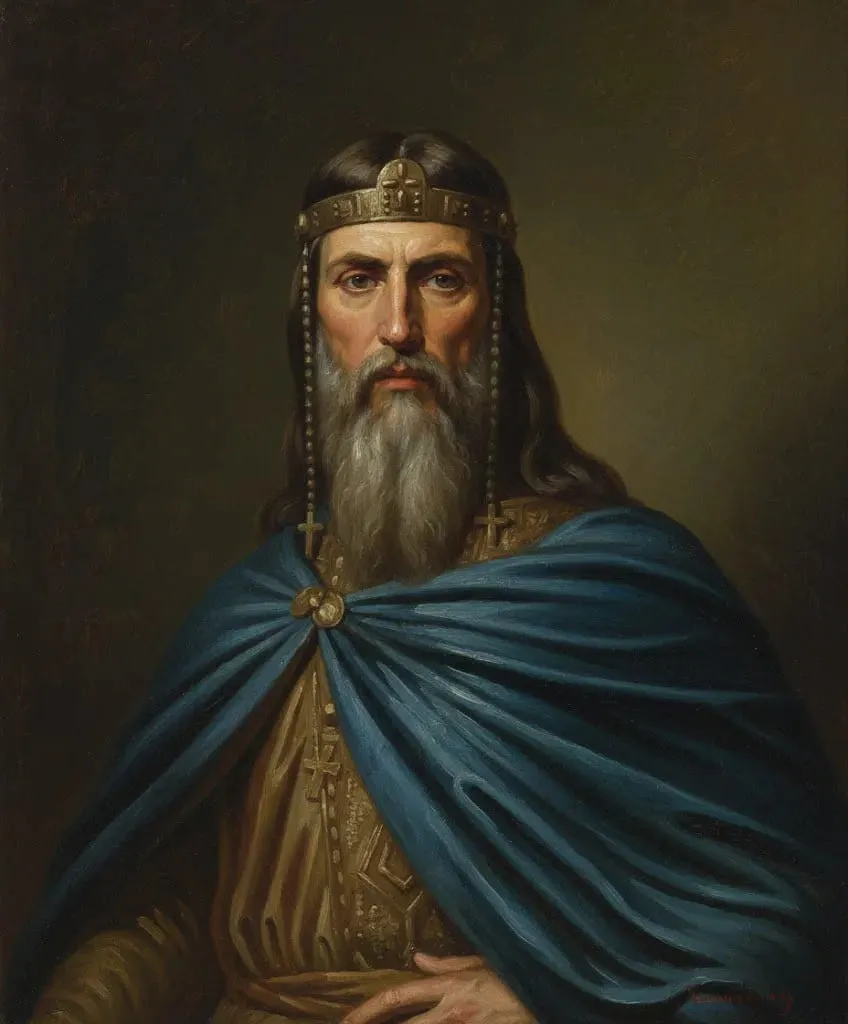
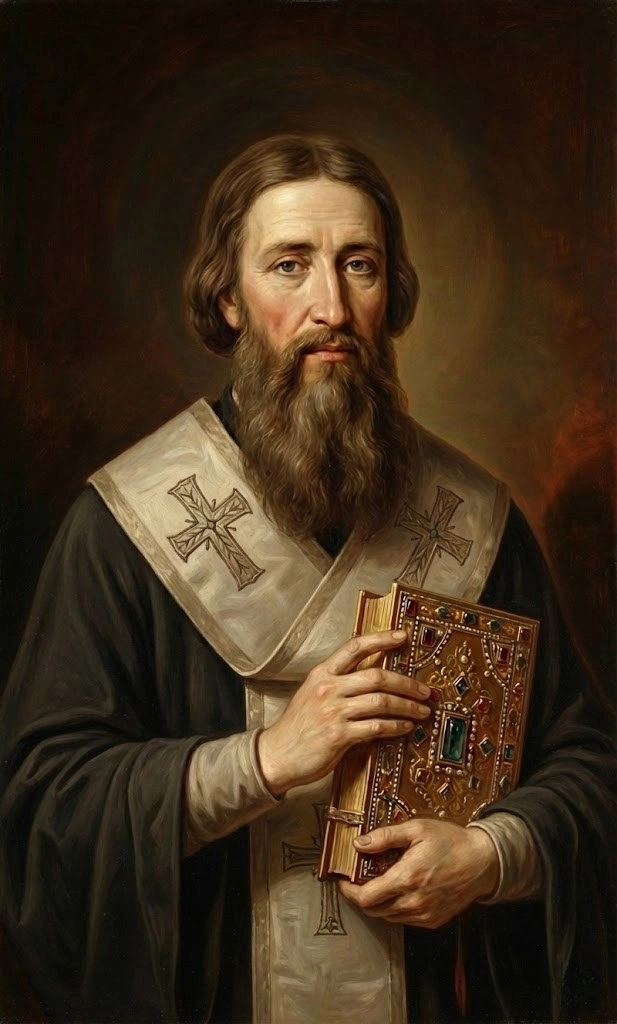
Hilandar is the only Serbian settlement that has lived and endured continuously for more than eight centuries. It was founded in 1198 by Saint Sava (Rastko Nemanjić) and his father, Saint Symeon (Stefan Nemanja), on the ruins of an older Greek monastery. Through the imperial charter (chrysobull) obtained from the Byzantine emperor Alexios III Angelos, the monastery became “an eternal gift to the Serbs”.
The monastery is not only a religious building but also the first Serbian university. The oldest surviving Serbian literature was written there, Vuk Karadžić researched source material there, and through the centuries all Serbian rulers, from King Milutin to Prince Lazar and the Obrenovićs, endowed it with gifts and additions.
The miraculous vine and the well
One of the monastery's greatest shrines is the Miraculous Vine of Saint Symeon, which, according to tradition, sprang up where the saint's relics had lain. Although eight centuries old, it still bears grapes that are believed to help childless couples. There is also Saint Sava's Well, whose water is believed never to run dry and to bring healing.
The great fire and restoration
In the night between 3 and 4 March 2004, the monastery was struck by a catastrophic fire that destroyed more than half of the monastery complex, including four residential wings. Fortunately, the treasury and the library with its priceless manuscripts were saved. The restoration of Hilandar continues to this day, representing one of the greatest undertakings in Serbian culture.
Monastery complex
King Milutin's Church
The main church (katholikon) of the monastery, dedicated to the Presentation of the Most Holy Mother of God. King Milutin built it in 1319 on the foundations of an older church. It is a masterpiece of the Byzantine architecture of its age, with rich fresco painting and a marble floor.
Treasury and Library
The Hilandar Treasury is one of the richest in the Orthodox world. It preserves the oldest Serbian manuscripts (including the Miroslav Gospel, which was kept here for centuries), the miraculous icon of the Mother of God Trojeručica (Three-Handed), charters of rulers, as well as the embroidery of Jefimija.
Pyrgos of Saint Sava
A tall defensive tower built to protect the monks from pirates and robbers. With its chapel at the top, it also served as a hermitage in which Saint Sava lived in silent contemplation. It is a symbol of monastic perseverance and spiritual strength.
Key Facts
- Founded: 1198
- Location: Mount Athos, Greece
- Dedicated to: the Presentation of the Mother of God
- Slava: Presentation of the Mother of God (4 December)
- Status: UNESCO Heritage
At a glance
Related
Literature and sources
This list is for further reading and verification. Online sources were checked on 30 September 2026; books and medieval sources are recommended reading, not sources for individual statements on this page.
Online sources
Further reading
- Sima Ćirković, Srbi među evropskim narodima. Beograd: Equilibrium, 2004.
- Sima Ćirković, Rade Mihaljčić (ur.), Leksikon srpskog srednjeg veka. Beograd: Knowledge, 1999.
Medieval sources
- Domentijan, Život Svetoga Save i Život Svetoga Simeona.
- Teodosije, Život Svetoga Save.